
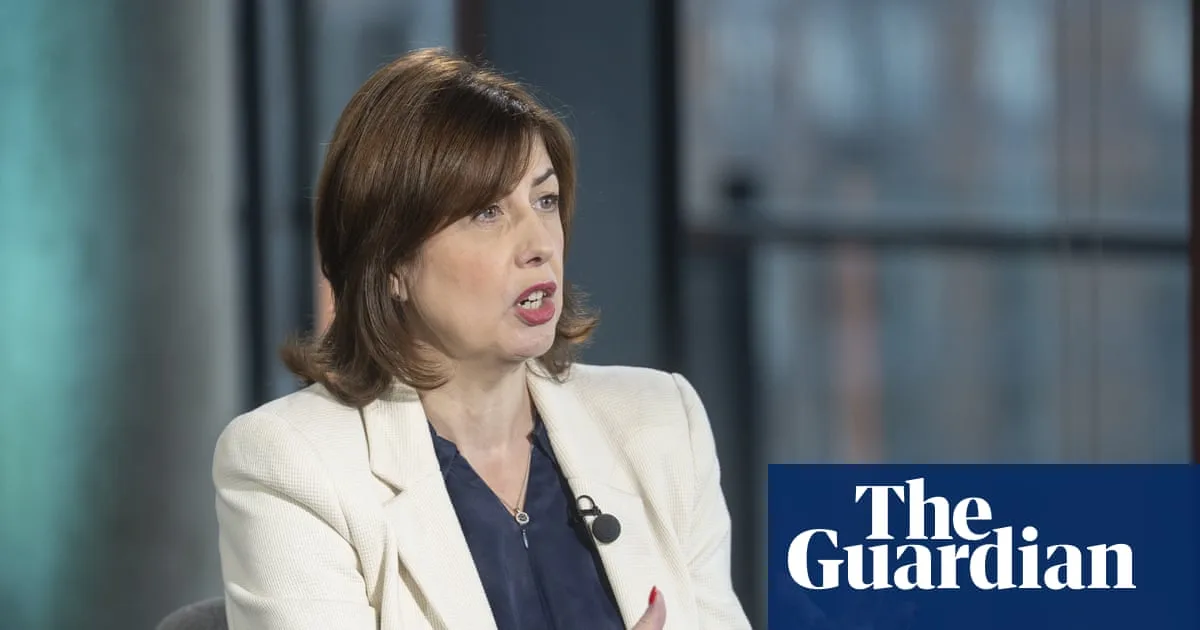
The Labour deputy leadership contest between Lucy Powell and Bridget Phillipson has emerged as a potential source of further division for Keir Starmer, with the outcome likely to have profound consequences for the party. Powell, the former Commons leader, and Phillipson, the education secretary, were both reluctant candidates but are now locked in a race that has exposed deep internal tensions.
Powell’s supporters feel aggrieved by portrayals of her as a reckless outcast, with some accusing the leadership of preaching unity while stifling criticism. Phillipson, meanwhile, has faced uncomfortable internal briefing and has been cast as the favoured candidate, a position that has not sat well with her. The contest has forced both to adopt more radical stances, with Powell calling for an end to the two-child benefit limit and a stronger assault on Nigel Farage, while Phillipson has pledged to defend workers’ rights and end the same limit.
Polling initially gave Powell a 17-point lead, but the race is unpredictable. Phillipson has secured endorsements from three major trade unions with voting rights in the contest, and she enjoys strong support in London and the north-east. Low turnout from an apathetic membership could affect the result, but most Labour MPs believe Powell will win.
The low-key announcement on Saturday, with just a camera in Labour HQ, has irritated some of Powell’s backers, who fear she may be frozen out if she wins. Senior strategists had hoped to avoid a contest altogether, but with a restive parliamentary party, a fix proved unlikely.
Inside No 10, there is disquiet about Powell as deputy leader, particularly after her role in the welfare vote, where she warned the government could lose. The stakes, while seemingly low, could have huge consequences if Powell wins, potentially deepening rifts within the party.




