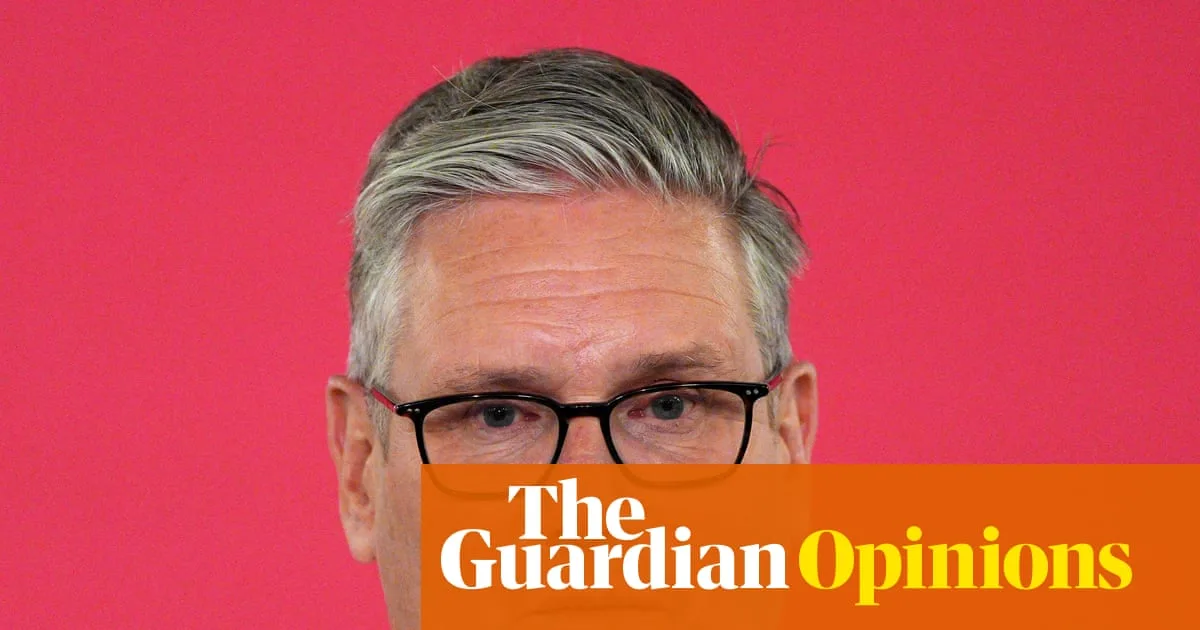
Sir Keir Starmer is facing a severe rebellion within his own party after disastrous local and devolved election results, with Labour MPs publicly questioning whether he can survive as prime minister. A speech on Monday aimed at reviving his premiership by blending Reform-style nationalism, left-wing industrial rhetoric, and pro-European positioning failed to quell dissent. By afternoon, scores of MPs had called for an “orderly transition” of power, escalating from criticism of strategy to outright challenges to Starmer’s legitimacy.
Labour MPs increasingly argue that voters no longer trust or believe in Starmer, nor do they see the promised change materialising. Backbencher Catherine McKinnell voiced the sentiment starkly: “The Labour government has to change, or we will change the Labour government.” The rebellion seeks to avoid the civil war that plagued Labour under Jeremy Corbyn or the instability seen in the Conservatives, framing a smooth handover as responsible rather than reckless.
Starmer, however, insists on fighting on, claiming the 2024 election gave him a mandate to lead into the next election and potentially govern for a decade. Critics argue this misreads the electorate, noting Labour’s landslide was built on a temporary anti-Tory coalition, not a deep endorsement. The party has already shifted focus to succession, with potential candidates including health secretary Wes Streeting, former deputy prime minister Angela Rayner, and Greater Manchester mayor Andy Burnham. Timing favours different candidates, with Burnham needing a slower process to secure a parliamentary seat.
Burnham’s path is complicated by Labour’s poor polling and the revolt in Greater Manchester against the political culture it once embodied. This may prove the ultimate cost of Starmerism, as political systems often wither when they fail to recognise that the world sustaining them has already disappeared.