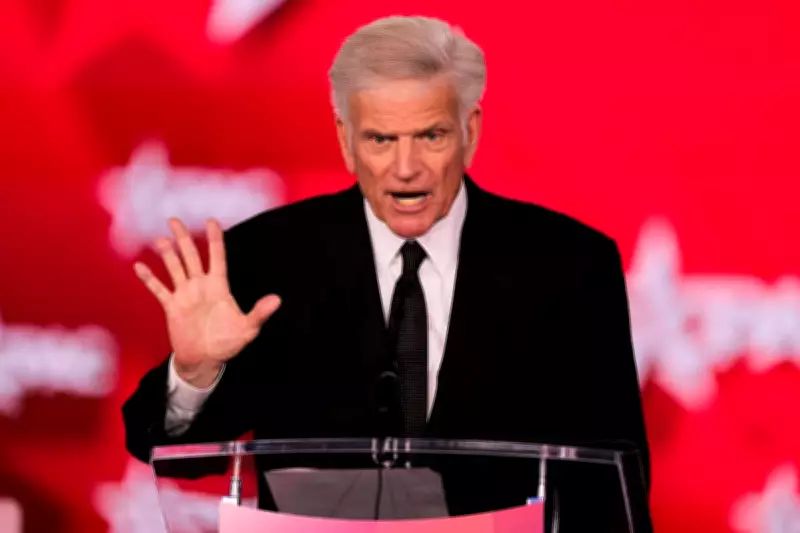
Rev. Franklin Graham, a leading evangelical figure, has come to the defence of former President Donald Trump amid a growing controversy over an AI-generated image that Trump shared, which some critics labelled as blasphemous. The image depicted Trump in a white robe with a glowing hand placed on a man lying in a hospital bed, a visual that sparked immediate backlash from various faith leaders who accused Trump of portraying himself as a Christ-like figure.
Trump's Clarification and Graham's Support
In response to the uproar, Donald Trump later clarified that the image was meant to show him "as a doctor" healing the sick, rather than as a representation of Jesus. Rev. Franklin Graham echoed this explanation, stating that he does not believe Trump "would knowingly depict himself as Jesus Christ." Graham dismissed the criticism as "ill-intended speculation" from Trump's political enemies, characterising the entire episode as "a lot to do about nothing."
Contrasting Perspectives from Faith Leaders
This defence stands in stark contrast to the views of other conservative evangelical leaders and faith figures, who have condemned the image as a blatant act of blasphemy and a cynical political manipulation of sacred religious symbols. They argue that the imagery deliberately evokes Christian iconography associated with Jesus performing miracles, thereby crossing a line into inappropriate territory for political gain.

Graham, a long-time staunch ally of Trump, emphasised that the former president removed the post from his social media accounts once he understood the concerns raised by the public and religious communities. In his remarks, Graham praised Trump as "the most pro-Christian, pro-life president" in his lifetime, reinforcing his unwavering support despite the controversy.
The Broader Implications of the Incident
The incident highlights the ongoing tensions within evangelical circles regarding the intersection of faith and politics, particularly in how religious symbols are used in the digital age. The use of AI-generated imagery adds a modern twist to these debates, raising questions about the ethical boundaries of such technology in political communication.
As the discussion continues, it remains clear that figures like Rev. Franklin Graham play a pivotal role in shaping the narrative around Trump's actions, often bridging the gap between political messaging and religious sensitivity. The episode serves as a reminder of the powerful influence evangelical leaders hold in American politics and their capacity to deflect or amplify controversies depending on their allegiances.