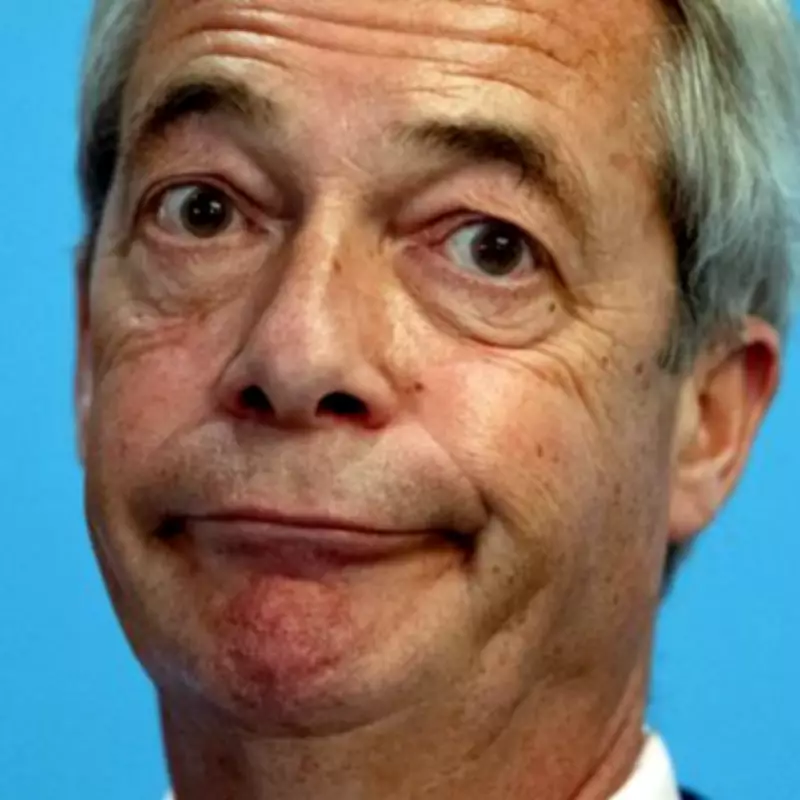
Nigel Farage's Visa Threat Over Slavery Reparations Branded a 'Desperate Gimmick'
Reform UK leader Nigel Farage has come under intense scrutiny after his party announced plans to block visas from nations advocating for slavery compensation, a move swiftly labelled a 'desperate gimmick' by political opponents. The controversy erupted as Reform UK pledged a stringent crackdown on African and Caribbean countries that are calling for financial restitution for Britain's historical role in the slave trade.
Reform UK's Stance on Reparations
Zia Yusuf, Reform UK's home affairs spokesman, defended the policy by highlighting Britain's abolitionist history. He argued that the United Kingdom should not be treated as an 'ATM for ethnic grievances of the past' and vowed to take a firm stance against what he perceives as international ridicule. Yusuf stated that if appointed Home Secretary, he would implement measures to penalise countries lobbying for reparations, including refusing visas to their nationals.
He pointed out that over the past two decades, Tory and Labour governments have issued 3.8 million visas to citizens from these nations and provided £6.6 billion in foreign aid, asserting that 'enough is enough'. Yusuf emphasised Britain's sacrifices in being the first major power to outlaw slavery, suggesting this historical context is often overlooked in reparations debates.

Labour's Response and Broader Criticism
A Labour spokesman dismissed the proposal as a desperate gimmick, arguing it would fail to address border control issues and lacks credibility. The spokesman noted that Farage's party includes former Tories who struggled with immigration policy during their time in government, undermining the seriousness of the threat. Labour leader Keir Starmer has previously ruled out paying reparations, aligning with a broader political consensus but differing in approach from Reform's confrontational stance.
Understanding the Call for Reparations
The demand for slavery reparations spans more than a century, with affected nations arguing that countries like the UK profited immensely from the transatlantic slave trade while inflicting severe economic and social damage. From the 15th to the 19th centuries, an estimated 12 to 15 million Africans were forcibly enslaved, with around two million perishing during the brutal voyages. Nations seek reparations to acknowledge this historical injustice and its lasting impacts, including long-term economic disparities.
Recently, the United Nations general assembly, led by proposals from Ghana, has called for contributions to a reparations fund from nations that benefited from slavery. The African Union, representing 55 member states, is actively pursuing compensation for the harms caused by the slave trade, highlighting the ongoing global dialogue on this issue.
This development underscores the deepening political divisions over immigration and historical accountability in the UK, with Reform UK's latest policy sparking fierce debate ahead of potential elections.