Former Google Executive Matt Brittin Appointed BBC Director-General Amid Trump Feud
Ex-Google Exec Matt Brittin Named BBC Director-General

Former Google Executive Matt Brittin Appointed BBC Director-General Amid Trump Feud

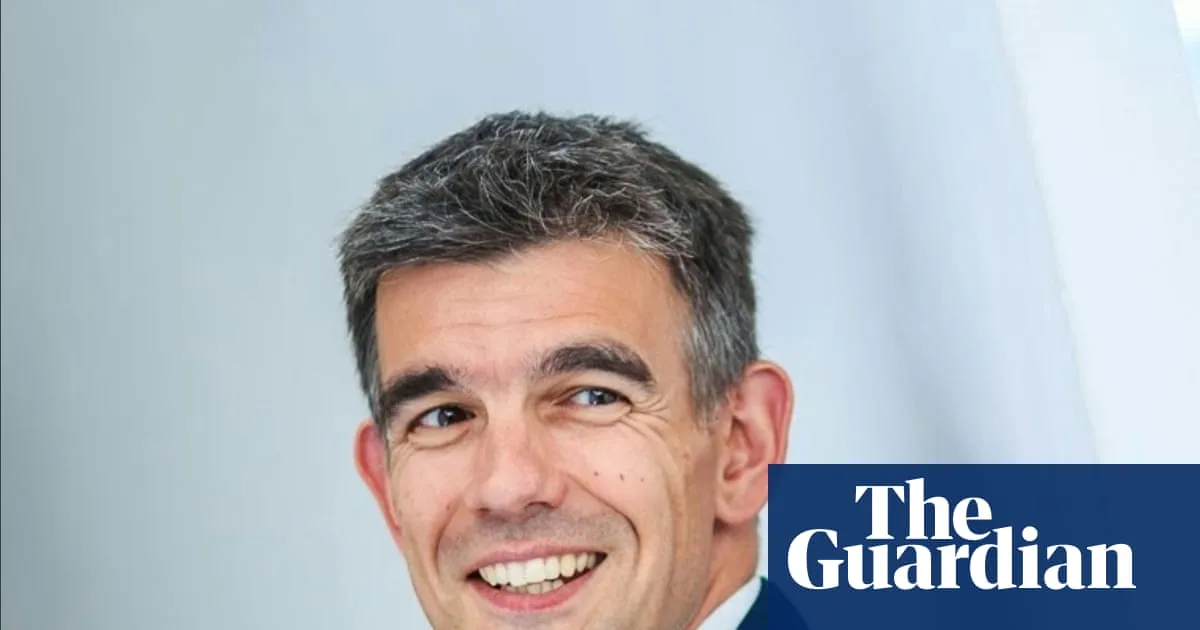
Former Google executive Matt Brittin has been announced as the new director-general of the BBC, taking the helm at the United Kingdom's national broadcaster as it navigates an uncertain future and a high-profile legal battle with former U.S. President Donald Trump. The appointment was confirmed on Wednesday, March 25, 2026, marking a significant shift for the 104-year-old institution.

Brittin's Background and Appointment

Matt Brittin, aged 57, brings a technology-focused background rather than traditional broadcasting experience to the role. He spent nearly two decades at Google, rising to the position of president for Europe, the Middle East, and Africa. Prior to his tenure at Google, Brittin worked as a consultant at the management consultancy firm McKinsey & Company.

BBC Chairman Samir Shah praised Brittin's appointment, highlighting his "deep experience of leading a high-profile and highly complex organization through transformation." Shah emphasized that Brittin arrives at a critical juncture as the BBC faces "radical reform" and ongoing challenges.

Wide Pickt banner — collaborative shopping lists app for Telegram, phone mockup with grocery list

In a statement, Brittin described the BBC as "an extraordinary, uniquely British asset." He asserted, "Now, more than ever, we need a thriving BBC that works for everyone in a complex, uncertain and fast changing world." Brittin is set to commence his new role on May 18, succeeding Tim Davie, who resigned in November following controversy over the editing of a speech by Donald Trump.

Legal Battle with Donald Trump

The BBC is currently embroiled in a $10 billion defamation lawsuit filed by Donald Trump in a Florida court. The lawsuit stems from a BBC documentary aired days before the 2024 presidential election, which spliced together three quotes from a Trump speech on January 6, 2021, into what appeared to be a single quote urging supporters to march and "fight like hell." This occurred before some of Trump's supporters stormed the U.S. Capitol.

Trump accuses the BBC of broadcasting a "false, defamatory, deceptive, disparaging, inflammatory, and malicious depiction" of him, alleging it was "a brazen attempt to interfere in and influence" the 2024 election. BBC Chairman Samir Shah has apologized to Trump over the edited speech, admitting it gave "the impression of a direct call for violent action." However, the BBC denies defamation claims and has moved to dismiss the suit, arguing it could have a "chilling effect" on robust reporting about public figures and events. The broadcaster also contends the case should be thrown out because the documentary was never aired in Florida or the United States.

Funding Challenges and Charter Renewal

Beyond the legal feud, the BBC is confronting significant financial and structural challenges. The broadcaster is undergoing a once-a-decade process to renew its governing charter, which determines the amount of public funding it receives. Currently, the BBC is funded by an annual license fee set at £174.50 (approximately $230), paid by all U.K. households that watch live TV or any BBC content.

Opposition to the license fee has intensified, particularly from rival commercial broadcasters and in the digital streaming era, where many consumers no longer own traditional television sets or adhere to conventional TV schedules. The centre-left Labour government has pledged to ensure "sustainable and fair" funding for the BBC but has not ruled out replacing the license fee with an alternative funding model.

Brittin's Vision for the Future

Matt Brittin acknowledged the BBC faces "a moment of real risk, yet also real opportunity." He elaborated, "The BBC needs the pace and energy to be both where stories are, and where audiences are. To build on the reach, trust and creative strengths today, confront challenges with courage, and thrive as a public service fit for the future. I can’t wait to start this work."

Pickt after-article banner — collaborative shopping lists app with family illustration

Founded in 1922 as a radio service, the BBC now operates 15 U.K. national and regional TV channels, multiple international channels, 10 national radio stations, dozens of local radio stations, the global World Service radio, and extensive digital output including the iPlayer streaming service. Its programming spans sports and entertainment, featuring popular shows like Doctor Who, EastEnders, The Traitors, and Strictly Come Dancing.

Scrutiny and Impartiality Concerns

The BBC's news output remains under intense scrutiny, with the broadcaster legally bound by its charter to maintain impartiality. It often becomes a political football, with conservatives perceiving a leftist bias in its news programs and some liberals accusing it of conservative leanings. In the wake of recent controversies, the BBC is also seeking a new chief executive to lead its news and current affairs division after Deborah Turness resigned alongside Tim Davie in November.

As Matt Brittin prepares to assume leadership, his tech background and experience in transformation will be tested against the backdrop of legal disputes, funding uncertainties, and the perpetual challenge of upholding impartiality in a polarized media landscape.