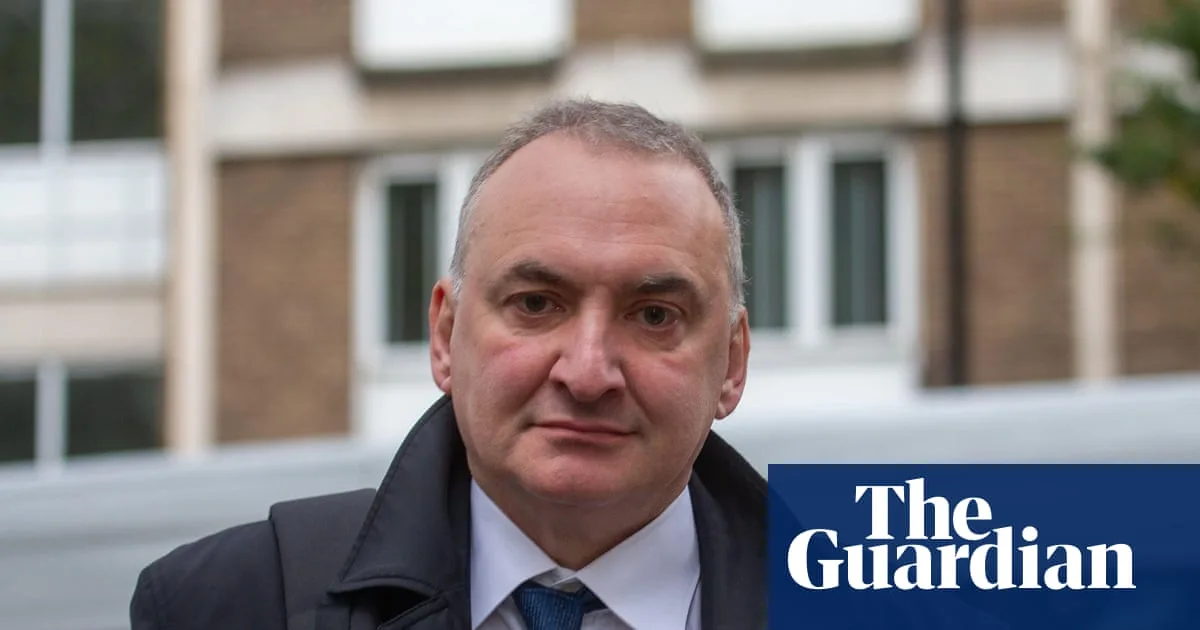
Cabinet Secretary Chris Wormald Negotiates Departure from No 10 Amid Shakeup
Chris Wormald Exits No 10 as Third Senior Departure in Days

Cabinet Secretary Chris Wormald Set to Depart No 10 in Major Shakeup

Chris Wormald, the most senior civil servant in Downing Street, is currently negotiating the terms of his departure from Number 10, according to sources familiar with the matter. This move would position him as the third key senior staff member to exit in a matter of days, following the recent resignations of Morgan McSweeney, the prime minister's chief of staff, and Tim Allan, his communications director.

A Turbulent Period for Starmer's Administration

The potential departure of Wormald comes during one of the most dramatic 48-hour periods of Prime Minister Keir Starmer's tenure in office. Appointed just over a year ago in late 2024, Wormald moved from his previous role as the lead civil servant in the health department following Simon Case's departure. Despite initial praise from Starmer for his "wealth of experience," Wormald has faced mounting pressure in recent months.

Some individuals close to the prime minister have reportedly come to view his appointment as "disastrous," with government insiders expressing frustration at his perceived reluctance to embrace major civil service reforms. Critics have accused him of "hand-wringing" about problems rather than developing concrete solutions.

Wider Implications for Downing Street Operations

The departure of McSweeney, who had worked alongside Starmer since he became Labour leader, has prompted a comprehensive reassessment of how Downing Street functions. Prime Minister Starmer is actively seeking to reassert his authority over both his parliamentary party and the broader government following this turbulent period.

One government source indicated that "the writing is on the wall" for Wormald, while another revealed that discussions are underway regarding Wormald potentially receiving a seat in the House of Lords as part of his exit arrangement.

Historical Context and Selection Process

Wormald was selected from a shortlist of four candidates that included:

  • Olly Robbins, now permanent under-secretary at the Foreign Office
  • Antonia Romeo, permanent secretary at the Ministry of Justice
  • Tamara Finkelstein, former permanent secretary at the environment department

At the time of his appointment, Wormald was considered the safest choice among the candidates. However, some within Downing Street now believe he has been spread too thinly to effectively monitor whether the government was delivering on Starmer's key priorities.

Restructuring Considerations and Historical Precedents

Prime Minister Starmer has appointed Vidhya Alakeson and Jill Cuthbertson as joint acting chiefs of staff but is reportedly considering long-term changes to how the role functions. One proposal under discussion involves splitting the chief of staff position into two distinct roles:

  1. One individual would oversee delivery across government departments
  2. Another would manage political matters, particularly relations with the Labour party

This potential restructuring echoes historical precedents. During David Cameron's premiership, the cabinet secretary role was divided among three individuals: one advising the prime minister, another leading the Cabinet Office, and a third overseeing the broader civil service.

Timing and Broader Political Context

This shakeup occurs merely five months after the previous Downing Street reorganization, which saw Labour MP Darren Jones appointed as the prime minister's chief secretary. Jones was tasked with resolving inter-departmental disputes and ensuring government follow-through on promises.

The developments follow Allan's resignation, which was succeeded hours later by Scottish Labour leader Anas Sarwar calling for the prime minister to step down, making him the most significant party figure to demand a leadership change.

As negotiations continue regarding Wormald's departure terms, the prime minister's office faces significant challenges in stabilizing operations while implementing structural changes aimed at improving governmental efficiency and political coordination during this critical period.




