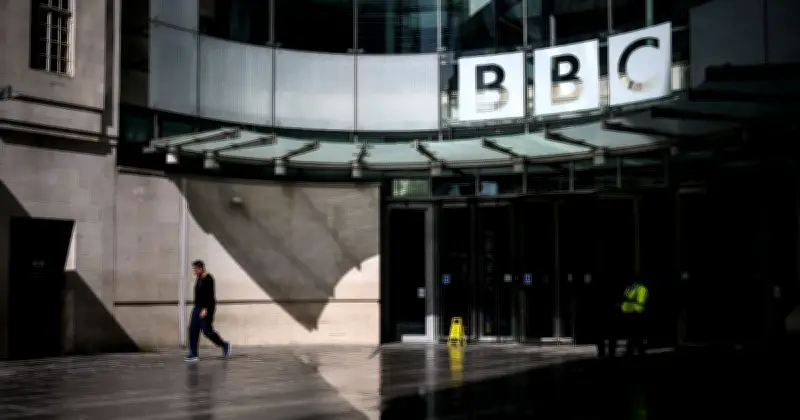
The BBC has been accused of bias after a 10-part documentary series on Brexit included only one campaigner who supported leaving the European Union. The series, titled Politically: Ten Years After Brexit, aired on BBC Radio 4 and featured 19 people who spoke negatively about Brexit, according to a report by the campaign group News-Watch, which monitors impartiality in public service broadcasting.
News-Watch Findings
News-Watch found that the series ignored the benefits of Brexit. The only guest who defended the UK's departure from the EU was economist Julian Jessop from the Institute of Economic Affairs. The group also identified at least three interviewees with links to pro-Remain organisations, but this affiliation was not disclosed to listeners. These included Sam Lowe, a former senior research fellow at the Centre for European Reform, and Mujtaba Rahman from Eurasia Group. Listeners were told that Sarah Main was a former director at the Campaign for Science and Engineering, but not that the group had previously stated Brexit would damage UK science.
Former BBC Journalist's Criticism
David Keighley, a former BBC journalist now managing director of News-Watch, told The Telegraph that the BBC remains pro-EU “to the core.” He said the series buried the benefits of Brexit and that the bias was evident in the choice of contributors and the programme's presentation. Keighley added: “The BBC is still pro-EU, still anti-Brexit and still unwilling to admit it.”
BBC's Response
A BBC spokesman defended the series, stating: “This series was made in line with the BBC's editorial guidelines which require the highest standards of impartiality. It explores how various policy areas and aspects of public and political life have changed since Brexit, with expert contributors putting facts and figures into context and highlighting the positive and negative impacts of Brexit.”
Context of BBC's Promotional Campaign
The bias accusation comes as the BBC launches a three-minute promotional film asking what the corporation has done for viewers. The film features comedian Romesh Ranganathan meeting nearly 100 stars across various BBC programmes. The ad ends with the text: “There’s a BBC for each of us. Funded by all of us.” The BBC said the campaign aims to demonstrate its value as it enters a crucial period of charter renewal discussions. Kerris Bright, BBC Chief Customer Officer, wrote in a blog that the campaign seeks to “ensure the BBC gets credit for the fundamental impact it has on society, as well as the things it makes.” She noted the campaign comes at an “important moment” ahead of the government beginning the process of renewing the BBC’s Royal Charter, which sets governance arrangements and expires in December 2027.
Licence Fee Debate
The BBC is primarily funded through the licence fee, which rose to £180 annually earlier this year. BBC Director-General Matt Brittin recently described the licence fee model as a “busted flush” and “no longer fit for purpose” during a session before the Culture, Media and Sport Select Committee. Brittin, a former Google executive, said the corporation is “held back” by the TV licence fee.