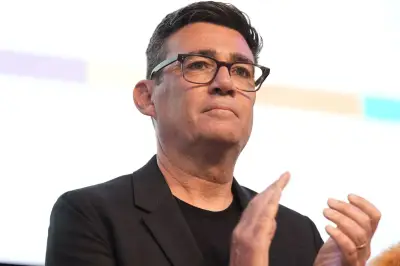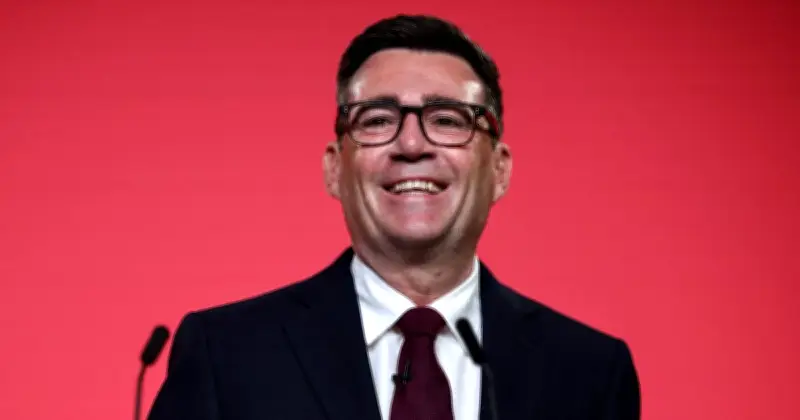
Andy Burnham is set to become Prime Minister on Monday after being confirmed as Labour leader on Friday. He will meet the King and form a government, with a Cabinet expected to differ significantly from Sir Keir Starmer's. Express reporter Adam Toms outlines his picks for the worst possible appointments in key roles.
Chancellor of the Exchequer: Ed Miliband
Former Labour leader Ed Miliband, seen as soft-left, is considered insufficiently fiscally conservative and amenable to borrowing that would violate Rachel Reeves' fiscal rules. Unite general secretary Sharon Graham told The Observer: “It’s been floated that Ed Miliband would be chancellor. That would be a noose around the neck of what we need to do on jobs.” Miliband's net-zero stance, including a total ban on North Sea drilling, has been criticised. Offshore Energies UK stated: “We will continue to need oil and gas for decades to come. Do we produce more of it here at home... or do we import more from overseas?” Miliband's position would clash with Burnham's reported plans for North Sea drilling. He would also likely support a wealth tax, potentially driving money out of the UK.
Foreign Secretary: Angela Rayner
Angela Rayner has a history of undiplomatic language. In 2021, she reportedly called Conservative ministers "a bunch of scum" and Boris Johnson a "racist, homophobic misogynist." In 2020, she was rebuked after the word "scum" was heard in the Commons. Conservative MP Chris Clarkson asked if she had used the word about him. Rayner later apologised. She has also called Donald Trump a "buffoon" and an "embarrassment." In May, she was cleared by HMRC of deliberate wrongdoing over her tax affairs but settled £40,000 in unpaid stamp duty.

Home Secretary: Louise Haigh
Louise Haigh would be a Home Secretary with a criminal conviction. She resigned as Transport Secretary in November 2024 after pleading guilty to dishonestly reporting her work mobile phone as stolen in 2013. She was convicted of fraud and fined £100. She is expected to become Chancellor of the Duchy of Lancaster.
Justice Secretary: David Lammy
David Lammy's controversial policy of removing the right to trial by jury to tackle court backlogs has drawn criticism. Despite a small fall in cases—80,061 open at end of March, 37 fewer than previous quarter—Riel Karmy-Jones KC, Criminal Bar Association chair, told The Law Society Gazette: “MPs have been misled by assumptions dressed up as evidence. It’s high time the government ditched its ill-conceived attack on the right to trial by jury.” Lammy also oversees early release of criminals, including killers and rapists, to free prison space.
Work and Pensions Secretary: Torsten Bell
Pensions minister Torsten Bell defended means-testing the Winter Fuel Payment, later partially U-turning to restore it to households with annual income of £35,000 or less, worth £200-£300. Unite research in January 2025 showed 67% of pensioners reduced heating, 63% felt colder, a third took fewer baths, and 16% cut hot meals due to costs.
Defence Secretary: Rachel Reeves
Military chiefs would resent Rachel Reeves as Defence Secretary. In June, John Healey resigned as Defence Secretary, saying the Treasury was "unwilling" to commit needed resources. Reeves' focus on taxing for welfare rather than defence spending is concerning amid global fragility.
Health Secretary: Liz Kendall
Liz Kendall was Work and Pensions Secretary when the government U-turned on benefit cuts after a backbench rebellion. Wes Streeting, who did a good job as Health Secretary, should be reappointed for consistency.
Education Secretary: Bridget Phillipson
Bridget Phillipson introduced VAT on private school fees, leading to financial difficulties. Thetford Grammar School, Malvern St James, and St Gerard's School cited the policy for closure. A June Deltapoll of NEU members showed 74% of teachers believed she was doing a bad job. She has been criticised over teacher recruitment and an academy system overhaul that would reduce freedom and centralise power.