
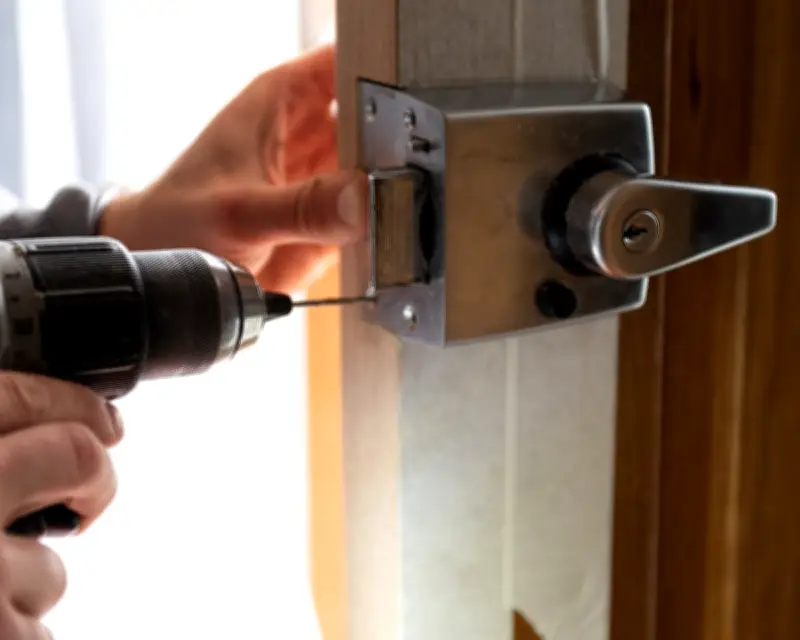
Rogue locksmiths are preying on people's anxieties by charging exorbitant fees for simple jobs, with some victims paying up to £1,000 for a few minutes' work, according to a new warning from UK Trading Standards.
How the scam works
The scam typically begins when a person is locked out of their home or car and searches online for a locksmith. Fraudsters often appear at the top of search results with fake reviews and professional-looking websites. Once on site, they may quote a low initial price, then after starting the job, claim the lock is more complex and demand a much higher fee, sometimes hundreds of pounds. In some cases, they deliberately damage the lock to justify the inflated cost.
According to Trading Standards, the criminals often operate without a fixed address, using multiple aliases and pay-as-you-go mobile phones to avoid detection. They target vulnerable people in distress, knowing they have little choice but to pay.
Consumer advice
To protect against rogue locksmiths, Trading Standards advises consumers to: get a written quote before any work begins; ask for identification and proof of insurance; check the company's physical address and landline number; and compare prices from at least two reputable firms. Consumers should also be wary of locksmiths who arrive in unmarked vehicles or demand cash only.
“Rogue locksmiths are a menace, exploiting people when they are most vulnerable,” said a spokesperson for Trading Standards. “We urge everyone to do their research before hiring a locksmith and to report any suspicious activity to Citizens Advice.”
Impact and enforcement
The problem is widespread, with hundreds of complaints received each year. In one case, a woman in London was charged £850 for a job that should have cost £80. The criminals often target elderly or disabled people, but anyone can fall victim. Local authorities have secured convictions against some rogue locksmiths, but enforcement is challenging due to the transient nature of the operators.
Trading Standards is working with online platforms to remove fraudulent listings and with police to investigate the most serious cases. The organisation also runs awareness campaigns to educate the public on how to avoid being scammed.




