Trump Restarts Iran Strikes After Brief Ceasefire
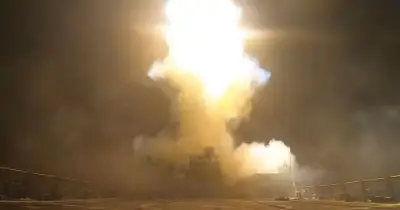
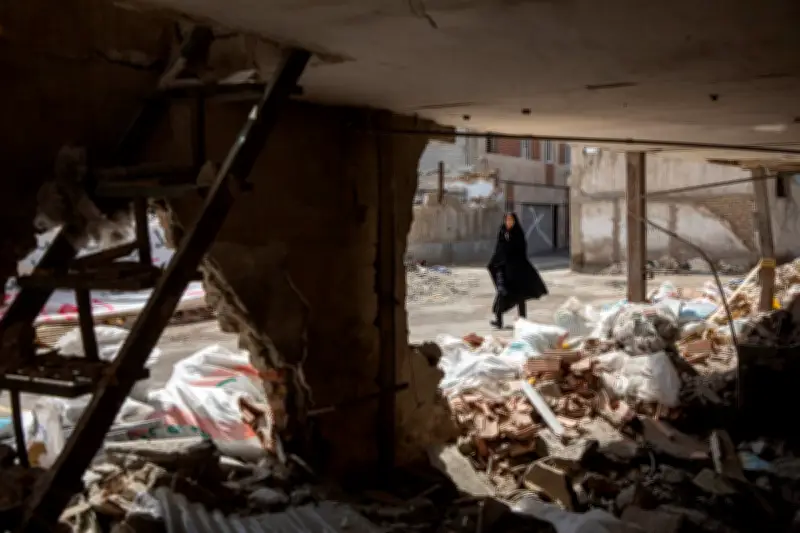
Less than a month after hailing a ceasefire, Donald Trump has ordered a resumption of strikes against Iranian military and infrastructure targets, jeopardizing Republican chances in the upcoming midterm elections. The move, which experts say could prolong the war and hurt the GOP, comes after the memorandum of understanding (MoU) signed on 17 June collapsed amid mutual recriminations.
Electoral Fallout and Expert Warnings
“There’s basically no timeline in which this makes any sense for preserving [Republicans’] midterm performance,” said Curt Mills, executive editor of the American Conservative. “I think it’s a total loser. It’s evidence that Trump doesn’t really care about the midterms.” The war is already unpopular with voters due to its inflationary impact on fuel and living costs.
Collapse of the MoU and Escalation
The MoU, intended to pave the way for a 60-day ceasefire and negotiations on Iran’s nuclear program, collapsed after Iran fired on commercial vessels using shipping lanes near Oman. Analysts blame poor US negotiating and misunderstandings, but Vali Nasr of Johns Hopkins argues the collapse was intentional: “I don’t think there was a misunderstanding. I think this is exactly what Trump intended.”

Strait of Hormuz as Bargaining Chip
Control over the Strait of Hormuz, through which 20% of global energy exports passed before the war, remains Tehran’s biggest leverage. Iran closed the strait in response to US and Israeli attacks, causing oil prices to soar. The MoU aimed to reopen it in exchange for sanctions relief, but disputes over shipping lanes derailed the deal.
Risk of Ground Invasion and Forever Wars
Experts warn that escalation could lead to a land invasion of Iranian territory, reminiscent of the “forever wars” Trump previously condemned. “My initial assessment was that this would just be another blip,” said Nate Swanson, former state department adviser on Iran. “But the escalation has already exceeded what I thought possible.”
Lack of Iran Expertise in Administration
The absence of Iran specialists in Trump’s administration heightens the risk of miscalculation. Swanson noted that Secretary of State Marco Rubio had “physically removed” key personnel. Instead, Trump relies on his trusted negotiating team, including Steve Witkoff and Jared Kushner. “That is how he fundamentally misunderstood his adversary,” said Alex Vatanka of the Middle East Institute.
Iran’s Resilience and Potential for Long Conflict
Iran’s willingness to suffer and use the Strait of Hormuz as leverage could drive further escalation. Vatanka warned of a possible five- or 10-year conflict: “You can imagine the United States bombarding Iran repeatedly over the course of many weeks and months.” Regime change, initially sought with the assassination of Ayatollah Ali Khamenei, appears off the table for now.
Strategic Options and Diplomatic Necessity
Retired General Joseph Votel, former head of US Central Command, emphasized the need for diplomacy and reducing Iran’s leverage. “We’re seeing a sustained tit for tat over military operations. We strike, they strike. That leads me to conclude that this is going to take probably weeks to months. A lot of strategic patience is required – and there is a lot of risk involved.”