Trust Crisis: Chancellor Accused of Deliberate Deception
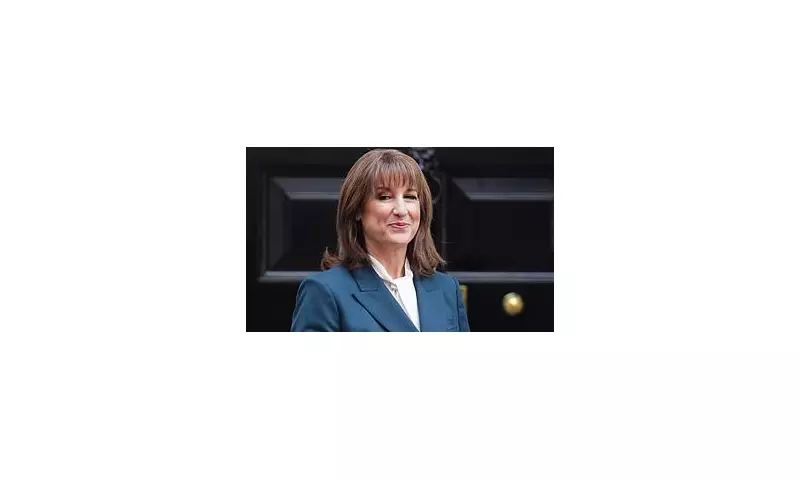
The fundamental bedrock of any functioning society is trust. When that trust erodes, particularly in our political institutions, the very fabric of democracy begins to unravel. This is precisely why the recent actions of Chancellor Rachel Reeves have sparked such intense controversy and calls for her resignation.
At the heart of this political storm lies a significant discrepancy between what the Chancellor knew about the nation's finances and what she chose to tell the British public. The sequence of events reveals a troubling pattern that strikes at the core of political integrity.
The Timeline of Truth
Back on September 16, briefings to the Financial Times suggested the government was facing a massive £30 billion black hole in the public finances. This narrative set expectations for difficult decisions ahead.

However, just one day later, on September 17, the Office for Budget Responsibility privately informed the Treasury that higher tax receipts had actually provided an unexpected £21 billion bonus. This completely contradicted the doom-laden narrative being circulated.
The situation improved further over the following six weeks. By the time we reached late October, the OBR had confirmed to Ms Reeves that she actually had £4 billion of headroom - the exact opposite of a financial black hole.
Despite this knowledge, on November 4, the Chancellor continued to publicly spread gloom about the public finances, leading most observers to conclude she was preparing the ground for income tax rises.
The Consequences of Broken Trust
Paul Johnson, former head of the Institute for Fiscal Studies, has been particularly damning in his assessment. He suspects the Chancellor's words were 'designed to confirm a narrative that there was a fiscal black hole that needed to be filled with significant tax rises' despite her knowing 'no such hole existed'.
The purpose of this deception appears clear: to lessen the political damage of a Budget that used stealth methods to extract another £30 billion from British taxpayers without directly raising income tax rates.
This isn't merely a minor political manoeuvre that can be brushed aside. It represents something far more serious - the poisoning of public trust that enables our democracy to function effectively. When election promises become meaningless scraps of paper and voters cannot trust politicians to honour their pledges, the entire system begins to collapse.
Most reasonable people understand that governments sometimes need to change plans when circumstances beyond their control intervene. However, deliberately spreading untruths for political advantage is fundamentally different and utterly unacceptable for someone holding the second most powerful position in government.
The row shows no signs of disappearing. If the Prime Minister attempts to pretend all is well, he risks being swept away by this squalid piece of dishonesty himself. The message from this affair is stark: if Rachel Reeves does not resign over this breach of trust, then truth and honesty officially no longer matter in British politics.