Chancellor Rachel Reeves has denied misleading the public over the reasons for her record tax rises, after the Office for Budget Responsibility (OBR) contradicted her claims of a dire fiscal inheritance. Reeves announced £26bn in tax increases in last week's budget, citing weaker-than-expected productivity growth as a key driver. However, the OBR's subsequent analysis revealed that stronger wage growth and tax receipts would offset the productivity downgrade, leaving a small surplus.
Opposition MPs, including Conservative leader Kemi Badenoch, have called for Reeves's resignation, accusing her of fabricating a fiscal black hole to justify tax rises. Badenoch told the BBC: 'The chancellor called an emergency press conference, telling everyone about how terrible the state of the finances were, and now we have seen that the OBR had told her the complete opposite.'
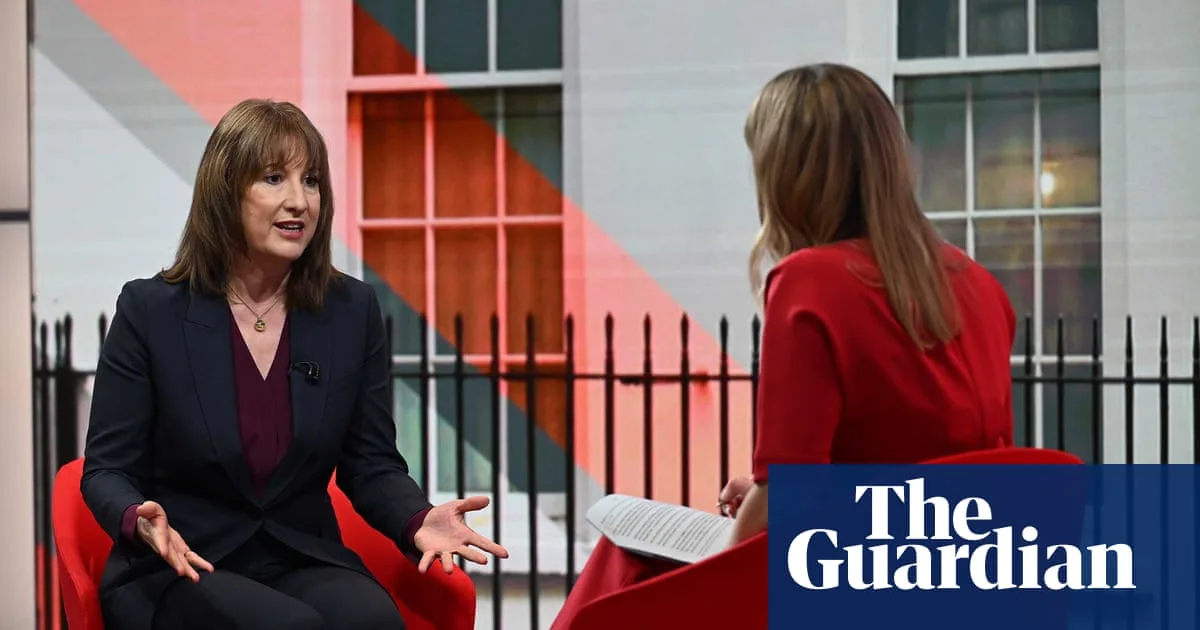
Reeves defended her actions on Sunday, telling the BBC's Laura Kuenssberg that she needed to build fiscal resilience. 'The headroom that I had in the spring statement of £9.9bn, I've taken that up to £21.7bn,' she said. She added that a £4bn surplus would have been the lowest any chancellor ever delivered against the fiscal rules, and that her decisions were necessary to avoid future tax rises.

Prime Minister Sir Keir Starmer is expected to back Reeves in a speech on Monday, praising the budget for reducing the cost of living and inflation. Downing Street has rejected claims of misleading, with a No 10 source stating: 'The idea that there was any misleading going on about the need to raise significant revenue as a result of the OBR figures, including the productivity downgrade they contained, is categorically untrue.'