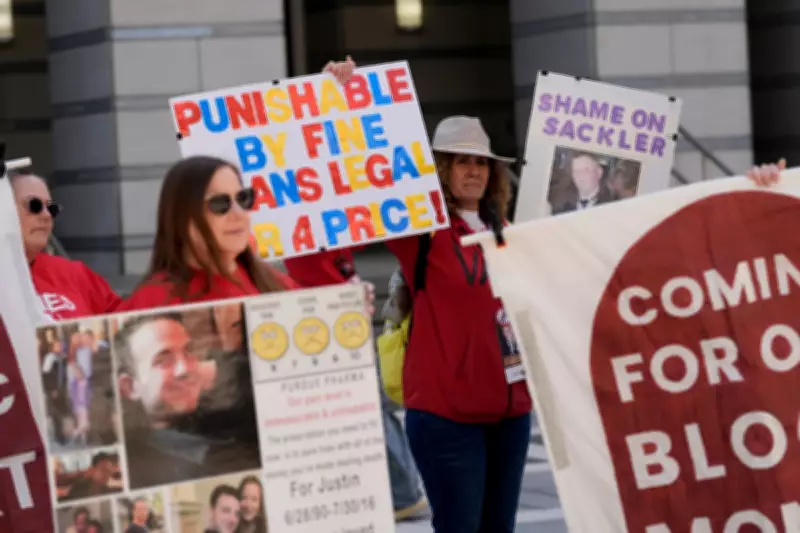
OxyContin maker Purdue Pharma's criminal sentence could be the last step before the company dissolves, as a massive legal settlement resolving thousands of opioid-related lawsuits is set to take effect. A federal judge on Tuesday is expected to deliver a criminal sentence to resolve a U.S. Department of Justice probe, clearing the way for the settlement. However, some individuals addicted to opioids or who lost loved ones to the drugs plan to urge the judge to reject the negotiated sentence, arguing it lacks real justice.
The Criminal Sentence and Its Implications
Purdue reached a deal with the Justice Department in 2020 to resolve criminal and civil probes. The Stamford, Connecticut-based company admitted it lacked an effective program to prevent its powerful prescription painkillers from being diverted to the black market, despite telling the DEA otherwise. It also admitted paying doctors through a speakers program to prescribe the drugs and paying an electronic medical records company to send patient information encouraging more opioid prescriptions. Only the company was charged, not individuals.
The guilty plea and civil settlement included $8.3 billion in forfeitures, fines, and penalties, but the federal government agreed to collect just $225 million in exchange for Purdue reaching a separate settlement of thousands of lawsuits from state, local, and Native American tribal governments. After years of legal twists and turns, the broader settlement was approved by a bankruptcy judge in November but cannot take effect until the criminal sentence is given. U.S. District Judge Madeline Cox Arleo will consider it Tuesday in Newark, New Jersey.

Victims' Voices and Opposition
Judge Arleo delayed the hearing to ensure victims had a voice, after a group protested outside the courthouse. More than 54,000 people with personal injury claims voted to accept the settlement, while around 200 opposed it. Opponents, like Michele Wagner, whose son died of an overdose, want Sackler family members criminally charged. "Justice to me looks like more than just money," she said. In contrast, Kara Trainor, in recovery from OxyContin addiction, supports the settlement for closure, stating, "The anger itself was poisonous to me."
The Sackler Family and Knoa Pharma
If the criminal sentence is issued, the settlement could take effect by Friday. Members of the Sackler family, who own Purdue, will contribute up to $7 billion over 15 years, mostly to fight the opioid crisis. This is among the largest settlements in recent years and the only major one including payments for individual victims, ranging from $8,000 to $16,000. Overall, settlements exceed $50 billion. Under the deal, Sackler family members are shielded from future opioid lawsuits. Purdue will cease to exist, replaced by Knoa Pharma, a public-benefit company with a board appointed by states, aiming to combat the opioid crisis. Internal Purdue documents will be made public. The Sacklers also agreed not to object if their names are removed from museums and institutions they supported.