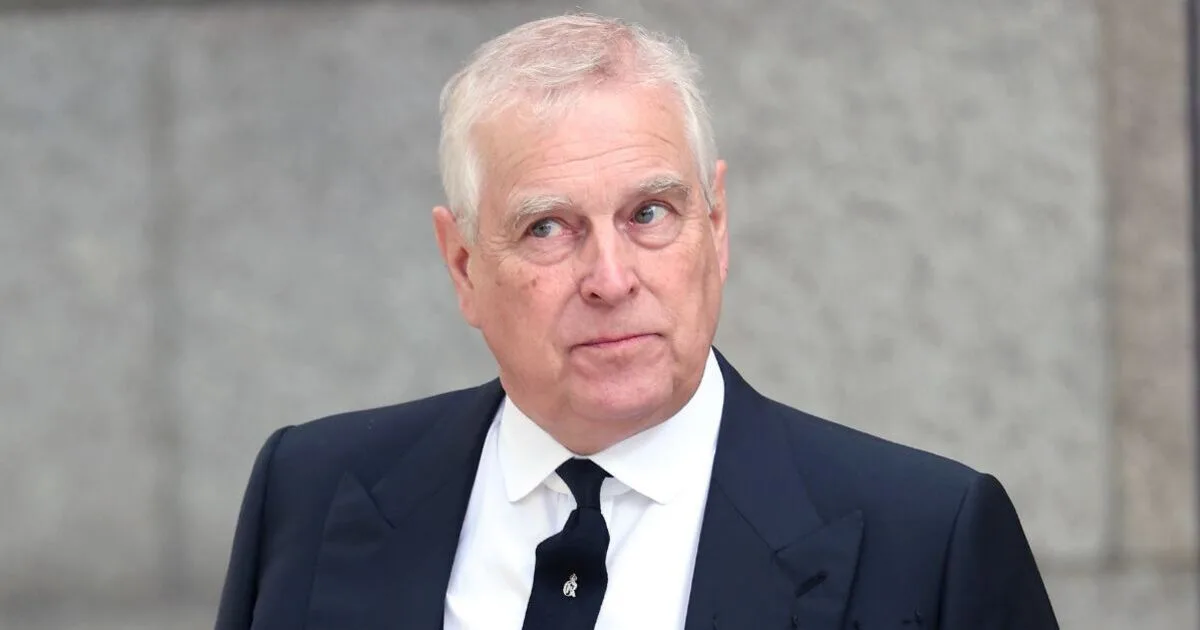
The dramatic fall from grace of Andrew Mountbatten-Windsor, the former Duke of York, has reached its latest chapter with his enforced departure from Windsor to a far more modest residence on the Sandringham Estate. This move, widely seen as a punishment ordained by his brother King Charles III, represents a significant blow to the ego of a man who has consistently displayed what many describe as overbearing arrogance.
A Swift and Humiliating Departure
Only hours after the release of further damning files connected to the Jeffrey Epstein scandal, which contained unsavoury new details about Andrew's associations, the disgraced royal was photographed on horseback in Windsor. He appeared, observers noted, as if he still owned the place—a perception that was about to be shattered completely. Late on Monday evening, Andrew was compelled to vacate the 30-room Royal Lodge, where he had enjoyed the run of 98 acres, and begin his exile.
The King's Decisive Action
The decision to remove Andrew from his Windsor home was taken by the King in October, following a fresh tide of humiliating disclosures about his behaviour. These were spearheaded by Andrew Lownie's critical biography, Entitled, and the posthumous memoir of the late Virginia Giuffre, Nobody's Girl. While it was initially believed that the former duke would have several months to settle his affairs, matters have accelerated considerably in light of the latest revelations.
Photographs showing Andrew posed Dracula-like over a young woman in the Epstein files made it abundantly clear that the relative freedom he had previously enjoyed could no longer continue. The King's intervention has been described by royal commentators as both necessary and proportionate, a firm response to behaviour that has perpetually embarrassed the wider royal family.
From Royal Lodge to Wood Farm
Andrew's new, temporary accommodation is Wood Farm, a five-bedroom cottage on the Sandringham Estate with outstanding sea views. By most people's standards, this would be considered luxurious bed-and-breakfast accommodation, but for Andrew, it represents a significant downgrade. He will reside there while waiting for his designated "forever home," Marsh Farm, to be made acceptable for his occupancy.
A Cottage with Royal History
Wood Farm carries its own poignant history within the royal family. It was the retirement home of Andrew's father, Prince Philip, who lived there from 2017 until his death in 2021. The Duke of Edinburgh reportedly redecorated the property in his preferred style and even ran a truffle farm in its grounds. Earlier still, it was home to Prince John, the brother of George VI, who was kept out of public view due to his epilepsy and autism and died there at the age of 13.
While publications like Vanity Fair have described Wood Farm as a place where royals can live "as close to normal as possible," Andrew is likely to view his temporary residence there as a punishment. He will be confronting the figurative ghost of his father while acclimatising to what, for him, constitutes a dramatically reduced circumstance.
A Legacy of Conceit and Downfall
When the obituaries of Andrew Mountbatten-Windsor are eventually written, they will undoubtedly highlight his sheer conceit among his many undesirable qualities. His long-held belief that societal rules are for "little people" and do not apply to him, the second son of the late Queen Elizabeth II, has been his undoing. His banishment from Windsor is a tangible consequence of that attitude.
Few observers have expressed sympathy for Andrew or the circumstances of his downfall. The prevailing sentiment is that the King was entirely right to eject him from Royal Lodge and Windsor. The disgraced former duke, who has always denied any wrongdoing in connection with Jeffrey Epstein, has only himself to blame for the comparatively lowly situation in which he now finds himself. His exile to Marsh Farm is, in the court of public opinion, the punishment he deserves.