A police chief has warned that claims of two-tier policing from politicians such as Nigel Farage could set back efforts to end prejudice against black people "to the 1960s and 1970s." Chief Inspector Andy George, president of the National Black Police Association, cautioned that debates around two-tier policing must be evidence-based, not driven by soundbites or political point-scoring from tragic incidents.
Context of the Controversy
The Reform UK leader, accused by political opponents of stoking racial tensions, has defended his response to the murder of Henry Nowak. Sir Keir Starmer branded Farage's call for the public to feel "pure, cold rage" about the case as "unforgivable." Farage insisted division in Britain would worsen without changes to policing culture.
Police Chief's Concerns
Chief Inspector George stressed that multiple reports indicate policing does not always apply the law even-handedly. He said: "Now is the time to fix policing, ensuring officers are equipped for fast-moving situations and understand the UK's diversity." He warned of a danger that policing could regress to a time before Stephen Lawrence's murder in 1993, due to growing far-right attacks becoming more mainstream.

Reaction and Training Issues
George also warned of an "auto-correction" in policing response to the murder, calling it reactive rather than well thought-out. Meanwhile, reports from The Times and The Telegraph revealed that officers in Hampshire and Isle of Wight constabulary felt pressured by mandatory diversity training, with one in seven feeling "controlled or pressured" after training on racism and unconscious bias.
Farage's Stance and Aftermath
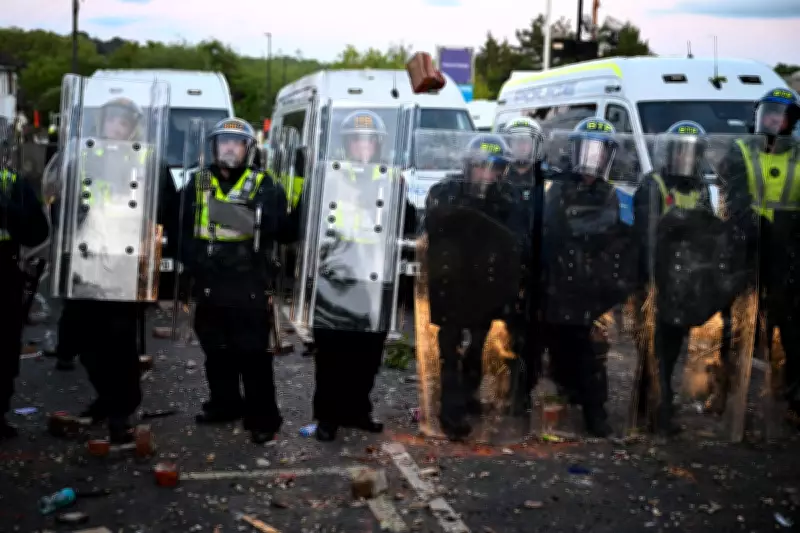
Farage doubled down on his remarks, telling Times Radio he deliberately used "cold rage" to suggest controlled anger, not incitement. He warned that division would worsen, citing riots in Southampton where 11 police officers and a police dog were injured. Sir Keir condemned the violence, urging calm.