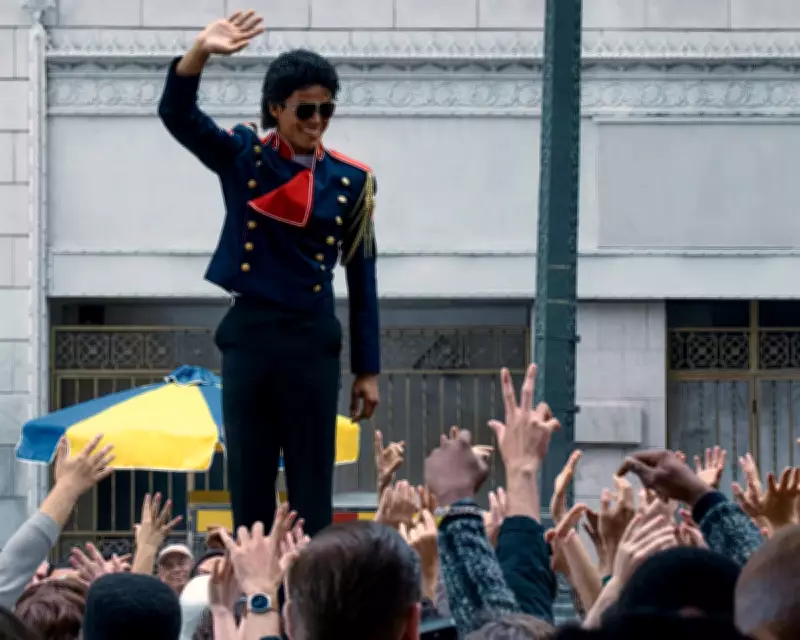
The success of the Michael Jackson biopic Michael, despite widespread critical derision, highlights a significant divide between the film's quality and its commercial reception. The movie, which has become one of the highest-grossing musician biopics, is on track to be a major global hit in 2026.
Reality Gaps in the Biopic
The film opens up several reality gaps. First, there is the disparity between Jackson's actual life and the estate-approved depiction. The movie originally aimed to cover Jackson's entire life but ends in 1988, teasing a sequel. This change stemmed from a legal issue: the filmmakers discovered they lacked the rights to depict a 1993 accuser, a mistake the estate calls inaccurate.
Fan Reactions and Denial
Another gap exists between casual fans and the dedicated fanbase that insists on Jackson's full innocence, often attacking critics. The film appears designed for a broad audience, similar to Bohemian Rhapsody, but also pacifies hardcore fans who believe in Jackson's exoneration.

The movie avoids addressing controversies directly, instead including nods to later events like Neverland. Jaafar Jackson portrays a saintly, childlike version of the star, lacking any dark complexity. This approach either cowardly avoids reality or dares to present a sanitized narrative.
The Jackson estate's involvement ensures the film avoids offending the most devoted fans, resulting in a product that celebrates Jackson's martyrdom rather than exploring his humanity. Ultimately, the film's success reflects a preference for fantasy over truth among audiences.