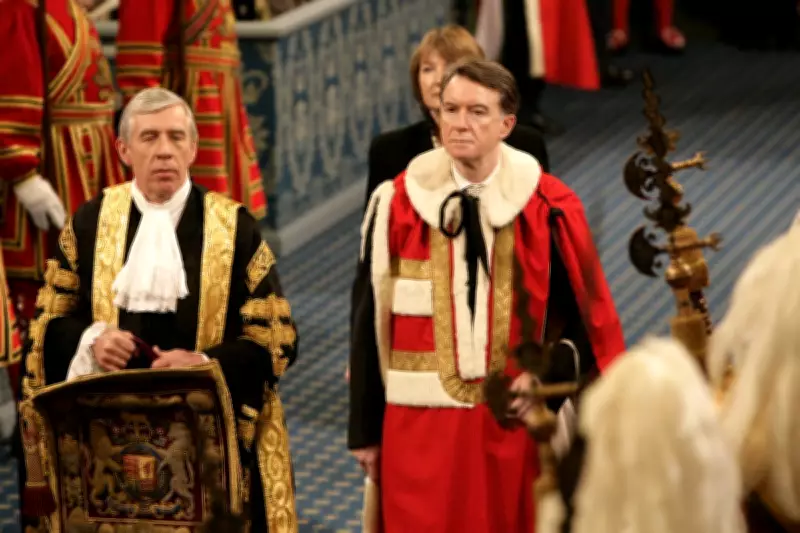
Peter Mandelson Resigns from House of Lords Over Epstein Links
Peter Mandelson has resigned from the House of Lords following fresh revelations about his connections to the deceased sex offender Jeffrey Epstein. The new allegations, which emerged this week, include emails suggesting financial transfers to Mandelson's husband, lobbying activities on Epstein's behalf, and the sharing of sensitive information.
Prime Minister's Stance and Constitutional Constraints
Prime Minister Keir Starmer had publicly signalled his desire for Mandelson to leave the Lords, stating he regretted appointing him and accusing him of repeated dishonesty. However, the Prime Minister currently lacks the direct authority to remove members from the House of Lords, making Mandelson's resignation a strategic move to avoid government intervention.
The process of removing a peer from the Lords remains complex despite reforms enacted in 2014 and 2015. Mandelson's decision to step down pre-empts the need for potentially lengthy parliamentary action, though it does not strip him of his peerage title.

Why Mandelson Retains His Lord Title
Despite his resignation from the House of Lords, Peter Mandelson will continue to hold his peerage title. The removal of a peerage can only be achieved through an Act of Parliament, a process that is considered constitutionally difficult and rarely undertaken.
This means that while Mandelson is no longer an active member of the Lords, he remains entitled to use the title 'Lord' in his name. The situation highlights the enduring nature of peerages in the British political system, even when individuals step down from their parliamentary roles amid controversy.
The resignation comes as part of ongoing scrutiny into the Epstein scandal and its connections to political figures. Mandelson's departure from the Lords marks a significant development in this story, though the retention of his title underscores the limitations of current constitutional mechanisms in addressing such cases.