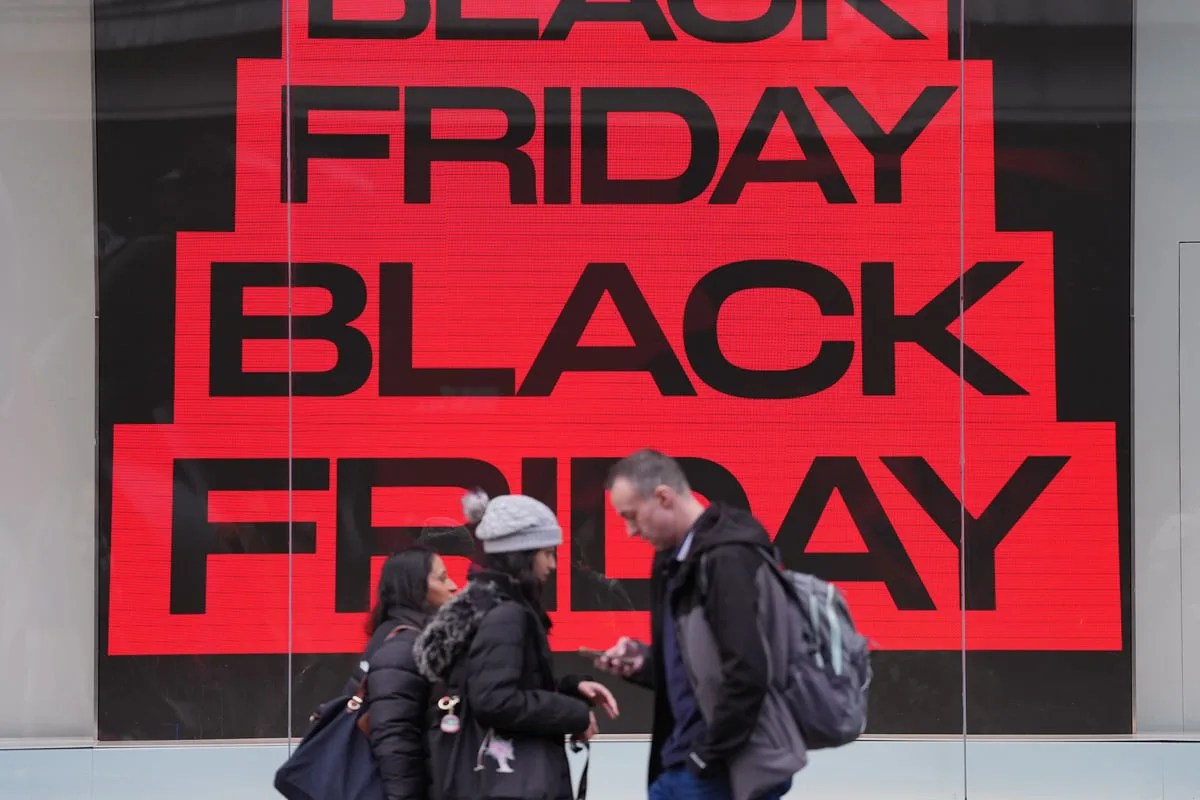
The Advertising Standards Authority (ASA) has ruled that John Lewis, Boots, and Debenhams used misleading pricing in their Black Friday advertisements last year. The regulator found that two John Lewis ads for MacBook and ASUS laptops overstated price drops, with insufficient evidence that the products had been sold at the higher prices for a reasonable period.
For the MacBook Air, John Lewis advertised a £150 saving from £849 to £699, but third-party price tracking data showed the laptop had only been sold at £849 for one day in July 2025. Similarly, a claimed £450 reduction on an ASUS laptop was not supported by evidence of a genuine saving. Debenhams faced two rulings: one ad for home products claimed “44%” savings, and another for a hair styling tool advertised “21% savings”, both deemed misleading. Boots promoted a Hugo Boss fragrance reduced from £80 to £60, but the higher price had only been in effect for 21 days after its launch.
The ASA stated that in all cases, the retailers failed to demonstrate that the Black Friday deals represented genuine savings against usual selling prices, thereby misleading consumers. The watchdog used AI-powered monitoring for this sweep, following previous actions against hotel and travel companies. Emily Henwood, operations manager at the ASA, said: “People rightly expect the deals they see around Black Friday to be genuine. These rulings send a clear message to retailers and brands that promotional events aren’t exempt from the rules.”

Which? head of consumer protection policy Sue Davies criticised the businesses, saying: “It’s unacceptable that well-known businesses have been reeling in customers with misleading deals.” She called for tighter laws to ban deceptive pricing, noting that the current system is not fit for purpose. In response, a Debenhams spokesman attributed the issue to third-party sellers on its marketplace, while a John Lewis spokeswoman apologised for “two errors” and a Boots spokeswoman cited “human error” in the single case identified.