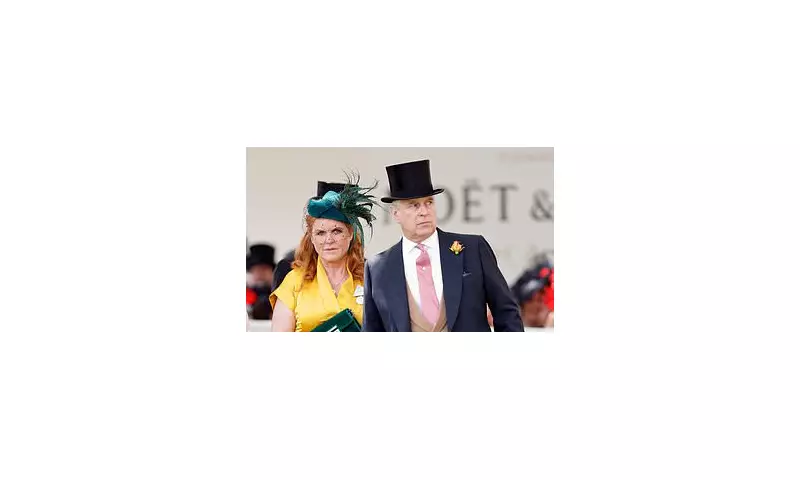
The Royal Family is facing fresh scrutiny as a parliamentary inquiry investigates the terms of the Duke of York's residency at the Royal Lodge in Windsor Great Park. The probe, launched by the Public Accounts Committee (PAC), is examining the Crown Estate's decision to grant Prince Andrew a lease with a symbolic £1-per-year 'peppercorn' rent for the 30-room mansion.
Scrutiny of a Royal Arrangement
The focus of the inquiry is the 75-year lease agreement signed in 2003, which allowed the Duke to take on the property for a nominal annual fee. In exchange, Prince Andrew committed to covering the substantial costs of renovating and maintaining the Grade II-listed property, which had fallen into a state of disrepair. The Crown Estate, which manages the sovereign's public estate, has stated the deal represented value for money, as it saved an estimated £7-8 million in immediate restoration costs that would otherwise have fallen to the public purse.
However, MPs on the powerful spending watchdog are questioning whether this arrangement remains appropriate, particularly in light of the Duke's withdrawal from public duties following the scandal surrounding his association with convicted sex offender Jeffrey Epstein. The committee has demanded the Crown Estate provide all relevant documents and correspondence relating to the lease. This includes any communications with the Royal Household, specifically the office of the Keeper of the Privy Purse, which manages the monarch's finances.

Financial Questions and Future Uncertainties
Concerns have been raised about the potential future liability for the property. The Duke reportedly invested millions in renovations, but the long-term upkeep of such a vast estate is a significant financial burden. There is speculation about whether Prince Andrew can afford the maintenance, estimated at up to £400,000 per year, following the settlement of his US civil sexual assault case. The inquiry will assess whether the Crown Estate has adequately considered these risks and has a clear plan for the property's future.
The situation is further complicated by reports that King Charles III has suggested his brother downsize to the more modest Frogmore Cottage. The Royal Lodge, however, is said to be the home Prince Andrew's ex-wife, Sarah, Duchess of York, wishes to remain in. The PAC's investigation will delve into whether the terms of the lease, including any potential break clauses or subletting restrictions, are still fit for purpose and protect the public interest.
Broader Implications for Royal Finances
This inquiry touches on wider issues of transparency and accountability in the management of royal assets. The Crown Estate's profits fund the Sovereign Grant, which pays for the monarch's official duties and the upkeep of occupied royal palaces. While the Estate operates at arm's length from the government and the royals, deals involving senior members of the family inevitably attract public and parliamentary interest.
The committee's findings, expected later this year, could lead to recommendations for greater oversight of similar arrangements. It places the financial dealings of a working royal under the microscope, setting a precedent for how such assets are managed in a modern monarchy. The outcome may influence future agreements between the Crown Estate and members of the Royal Family, ensuring they withstand robust public and parliamentary scrutiny.