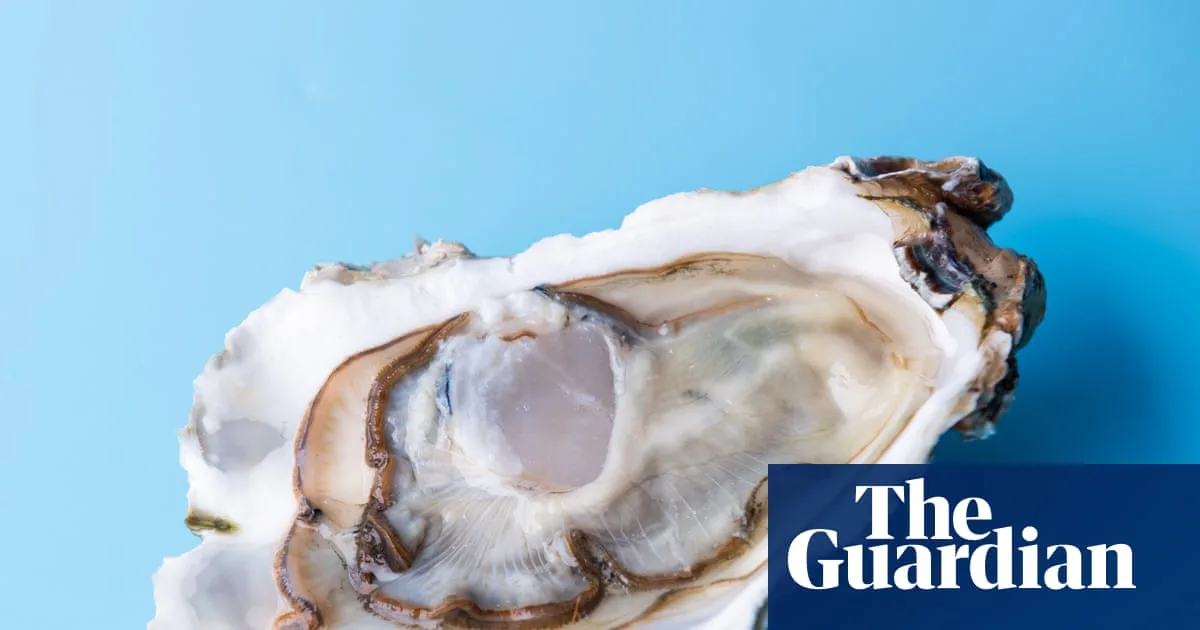
In a letter responding to a recent article on oysters, former Liberal MP Michael Meadowcroft highlights a peculiar historical event: a single bad oyster may have contributed to the decline of the Liberal Party in the early 20th century.
In December 1914, Percy Illingworth, the widely respected Liberal chief whip, ate a contaminated oyster and died shortly after from typhoid at the age of 45. His death created a leadership vacuum at a critical time.
Prime Minister Herbert Asquith struggled to find an effective replacement. Eventually, in the hung parliament following the 1923 general election, he appointed Vivian Phillipps as chief whip. However, Phillipps's personal loyalty to Asquith was matched by a deep dislike of David Lloyd George, exacerbating tensions within the party.
As the first Labour government navigated the parliamentary arithmetic in 1924, the split between Asquith and Lloyd George widened. Phillipps failed to unify the party, leading to disastrous consequences for the Liberals.
Meadowcroft concludes that this single oyster changed British political history, underscoring the unpredictable impact of seemingly minor events.