Harvard University and Bard College are facing renewed scrutiny from lawmakers over their connections to convicted sex trafficker Jeffrey Epstein. Representative Jamie Raskin, the top Democrat on the House Judiciary Committee, has requested a comprehensive accounting of the institutions' relationships with Epstein, alleging that previous internal investigations were incomplete or misleading.
Raskin's Demands
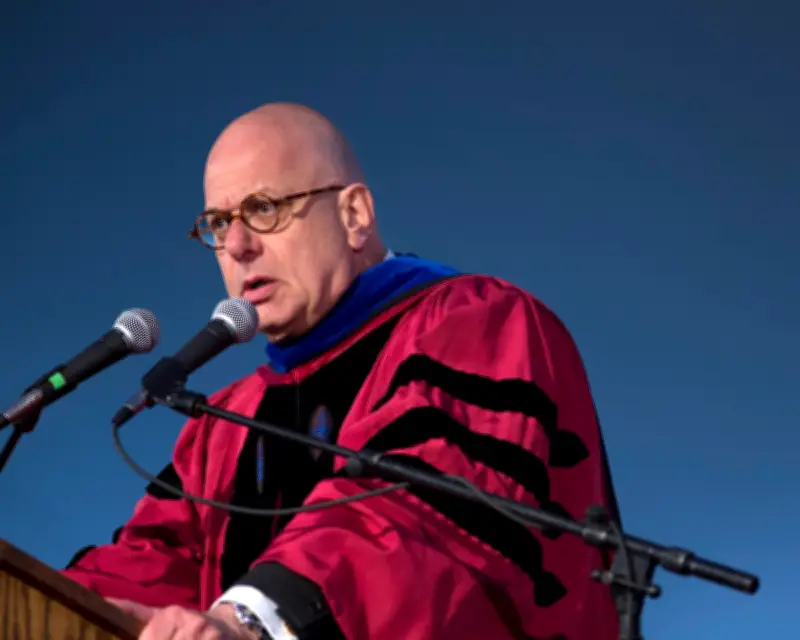
Raskin has asked Bard to make outgoing president Leon Botstein available for a transcribed interview. Botstein, who led the college for over 50 years, is set to retain a role at Bard. Raskin also requested records related to Epstein's donations, communications, admissions, and institutional decision-making, as well as the full results of an internal review.
From Harvard, Raskin seeks extensive records, including financial documents and communications regarding Epstein's funding of research and his personal relationships with faculty members. He criticized Harvard's previous investigations in 2008 and 2019 as incomplete and potentially misleading.

Epstein's Donations and Relationships
Raskin noted that internal investigations failed to uncover donations Epstein made after Harvard banned such contributions in 2008, as well as the full extent of his ties to faculty, including former president Larry Summers. Summers resigned from teaching in February after the Justice Department released emails showing frequent communication with Epstein on topics ranging from politics to women.
Summers served as Harvard's president from 2001 to 2006, during which time Epstein donated over $9 million to the university. Summers has expressed deep shame and taken responsibility for his misguided decision to continue communicating with Epstein.
Bard's Internal Investigation
In a letter to Bard chair James Cox Chambers, Raskin highlighted that Botstein's resignation followed a Bard-initiated investigation that found substantial lapses in leadership and candor. The investigation, conducted by WilmerHale law firm, concluded that Botstein's actions were not illegal but that he was not fully accurate in describing his relationship with Epstein and did not fully recognize the risks to Bard's reputation.
Raskin suggested that Epstein's relationship with Botstein and Bard leaders may have helped him maintain and expand his illegal activities, including potentially trafficking women in New York and Russia.
Victim's Perspective
An Epstein victim who interacted with Botstein said she believed he was part of a group of influential men whose proximity to Epstein helped rehabilitate his reputation.
Botstein has denied being friends with Epstein and claimed he never witnessed anything inappropriate. He has not been charged with any wrongdoing. A Bard spokesperson confirmed receipt of Raskin's letter and said they are reviewing it. Harvard did not immediately respond to a request for comment.
Raskin has set a deadline of July 1 for both universities to provide the requested information.