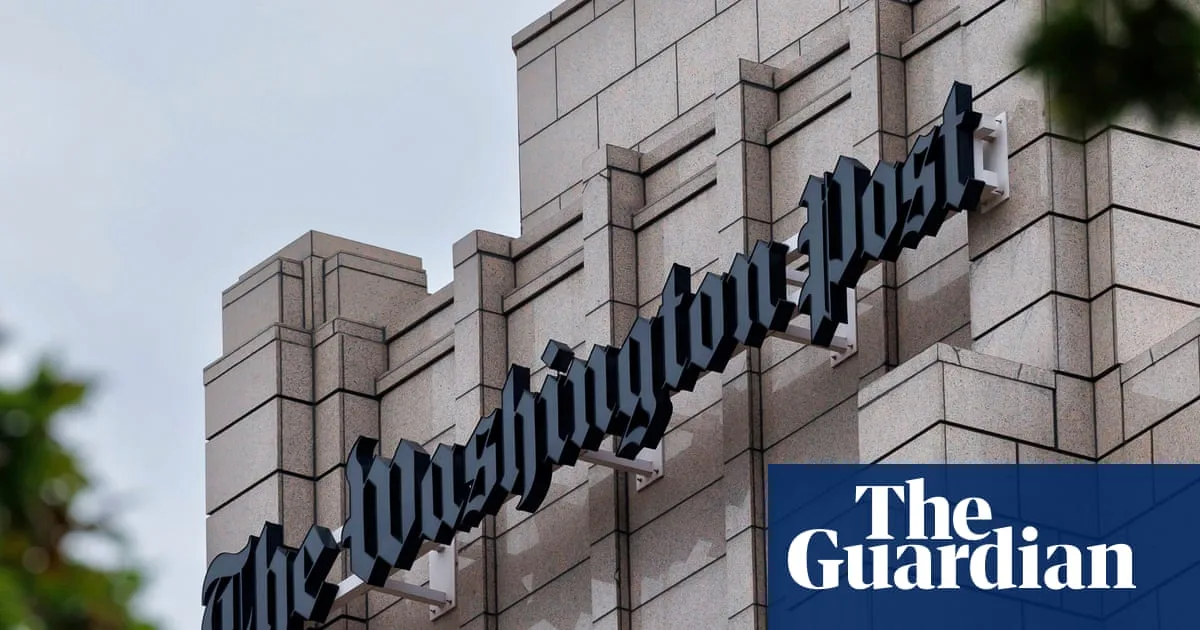
The FBI raided the home of Washington Post reporter Hannah Natanson early on Wednesday, seizing electronic devices as part of an investigation into a government contractor accused of illegally retaining classified materials. The newspaper described the move as “highly unusual and aggressive”, while press freedom groups condemned it as a “tremendous intrusion” by the Trump administration.
Agents arrived unannounced at Natanson’s Virginia home, searching the property and taking her Garmin watch, phone, and two laptops, including one belonging to her employer. The Post’s executive editor, Matt Murray, said in an email to staff that the action “raises profound questions and concern around the constitutional protections for our work”. Former executive editor Marty Baron called it “a clear and appalling sign that this administration will set no limits on its acts of aggression against an independent press”.
Attorney General Pam Bondi said on X that the raid was conducted at the request of the Pentagon, targeting a journalist who “was obtaining and reporting classified and illegally leaked information from a Pentagon contractor”. She added: “The Trump administration will not tolerate illegal leaks of classified information.” The warrant cited an investigation into Aurelio Perez-Lugones, a system administrator with top secret clearance accused of accessing and taking home classified intelligence reports. The criminal complaint against him does not allege leaking.

Natanson, who covers the federal workforce, has been involved in the Post’s “most high-profile and sensitive coverage” during the first year of the second Trump administration. In a first-person account last month, she described herself as the “federal government whisperer”, receiving calls from federal workers sharing information about policy changes and firings. She said her work led to 1,169 new sources, all current or former federal employees.
Press freedom groups criticised the raid. Bruce D Brown, president of the Reporters’ Committee for Freedom of the Press, said: “Physical searches of reporters’ devices, homes and belongings are some of the most invasive investigative steps law enforcement can take.” He noted that federal laws and policies aim to limit such searches to extreme cases due to the risk to confidential sources.