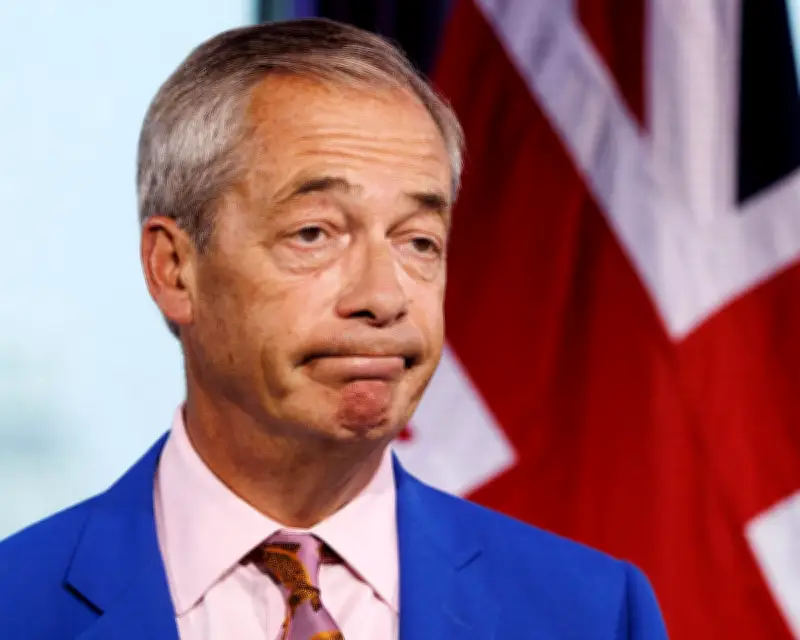
Nigel Farage announced his resignation as an MP on 7 July in a 15-minute video address that was widely described as a lament of self-pity. The Reform UK leader, who won over 45% in Clacton in 2024, is triggering a byelection that he frames as a 'people versus the establishment' contest. However, the move is seen as a high-risk gamble to regain control of a political narrative that has slipped away since the Guardian revealed he received an undeclared £5m gift from crypto billionaire Christopher Harborne.
Background of the Scandal
The Guardian's investigation uncovered that Farage had accepted £5m from Christopher Harborne, a crypto billionaire. The sum has been variously described as an unconditional gift, money to cover security costs, and a reward for delivering Brexit. Farage has faced persistent questions about his finances, including the number of homes he owns and his reliance on convicted criminal George Cottrell. Parliamentary authorities are investigating whether Farage should have declared the Harborne money and the assistance from Cottrell.
Political Fallout and Byelection Dynamics
Labour, the Conservatives, the Liberal Democrats, the Greens, and Restore Britain have all announced they will not stand in the byelection, dismissing it as a 'stunt' and a 'self-indulgence.' They will instead focus on a potential recall petition if Farage faces a Commons suspension. According to Westminster insiders, the scale of the Harborne sum could lead to a suspension long enough to trigger a recall petition, requiring at least 10% of local voters to demand a byelection. Farage's resignation does not halt the standards investigation; it will resume if he is re-elected.

Farage's Calculated Risk
Farage's decision to resign appears aimed at reasserting control. Since the scandal broke, he has become more reclusive, replacing weekly press conferences with choreographed statements. By calling his own byelection, he hopes to campaign on a 'tell them again' slogan, similar to the one used by leave campaigners for a possible second Brexit referendum. However, the absence of major party candidates means he will face only novelty or fringe opponents, potentially making him appear foolish. 'For years, much of Farage's electoral appeal lay in the idea he would be a fun person to drink a pint with,' said Peter Walker, senior political correspondent. 'But if someone on the adjoining bar stool launched into a 15-minute lament of self-pity, you would soon move to another part of the pub.'
Impact on Farage's Credibility
Farage's credibility is at stake as he faces questions he has long avoided: Why did Harborne give him so much money? What was it spent on? How many homes does he own? Can a self-styled man of the people rely on wealthy and shady friends? The byelection, which Farage is expected to win easily, may not restore his reputation. Instead, it could cement his image as a self-indulgent career politician. 'This increasingly rich and ever-more powerful career politician had hoped to turn to the public and say, once again: I am the outsider. Instead, he is in danger of becoming the punchline,' the analysis concludes.