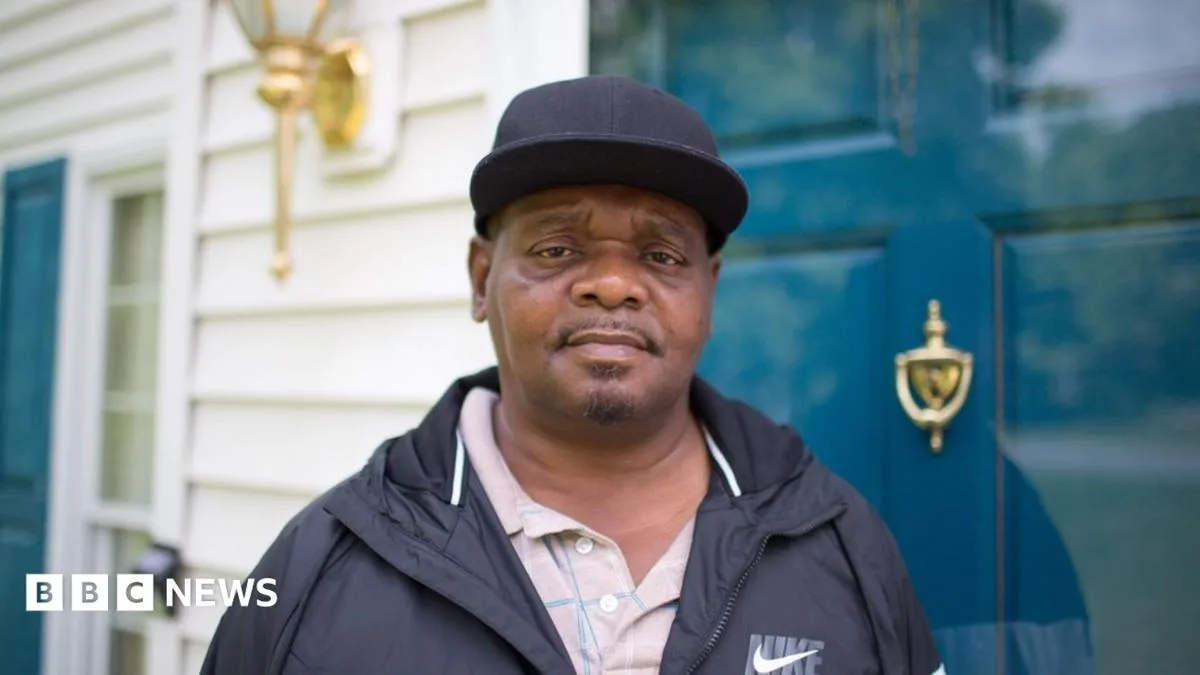
Two North Carolina brothers wrongfully imprisoned for over three decades have been awarded a historic $75m (£53m) settlement, bringing the issue of wrongful convictions back into the spotlight. Henry McCollum and Leon Brown were twice convicted for the 1983 rape and murder of an 11-year-old girl before DNA evidence exonerated them in 2014. They received full pardons the following year.
On Friday, a court ruled they receive $31m each in damages – $1m for every year spent in prison – and $13m in punitive damages. The payout is the largest combined settlement in a wrongful conviction case in US history, according to their lawyers. 'I thank God,' said Mr McCollum, in tears, as he left the courtroom. 'There's still a lot of innocent people in prison today. And they don't deserve to be there.'
The brothers were arrested in 1983 after police in Red Springs found the body of an 11-year-old girl in a soybean field. Acting on rumours, they apprehended the two African-American teenagers, aged 19 and 15. After hours of interrogation without a lawyer, officers allegedly coerced them into signing pre-written confessions. Court documents state both had cognitive difficulties and could barely read or write. No physical or forensic evidence ever connected them to the crime.

In 2014, DNA tests revealed the true perpetrator: Roscoe Artis, a convicted murderer serving life for similar crimes. The National Registry of Exonerations has recorded 2,784 exonerations since 1989, with over half involving prosecutorial or law enforcement misconduct. Nearly 50% of wrongfully convicted defendants are African American, who are seven times more likely to be wrongfully convicted of murder than white people.
Wrongfully convicted Americans can file civil suits, but holding officers accountable is difficult due to legal protections. However, recent racial justice movements have increased pressure for accountability. Friday's judgment came after two other law enforcement entities settled with the brothers for smaller amounts. Jamie Lau, a Duke University law professor, called the $1m per year award 'significant' but warned it might push defendants to settle out of court.
Thirty-six states and Washington DC have laws compensating the wrongfully convicted. In North Carolina, exonerated people pardoned by the governor receive $50,000 per year in prison, capped at $750,000. Ronnie Long, a black man wrongfully incarcerated for 44 years, received that amount, which his lawyer argued only covers 15 years. A civil court will decide if he gets further compensation.