Epstein Emails Reveal #MeToo Backlash Strategy Among Elite Figures
Epstein Emails Show #MeToo Backlash Among Elite Figures

Epstein Emails Reveal Extensive #MeToo Backlash Strategy Among Elite Figures

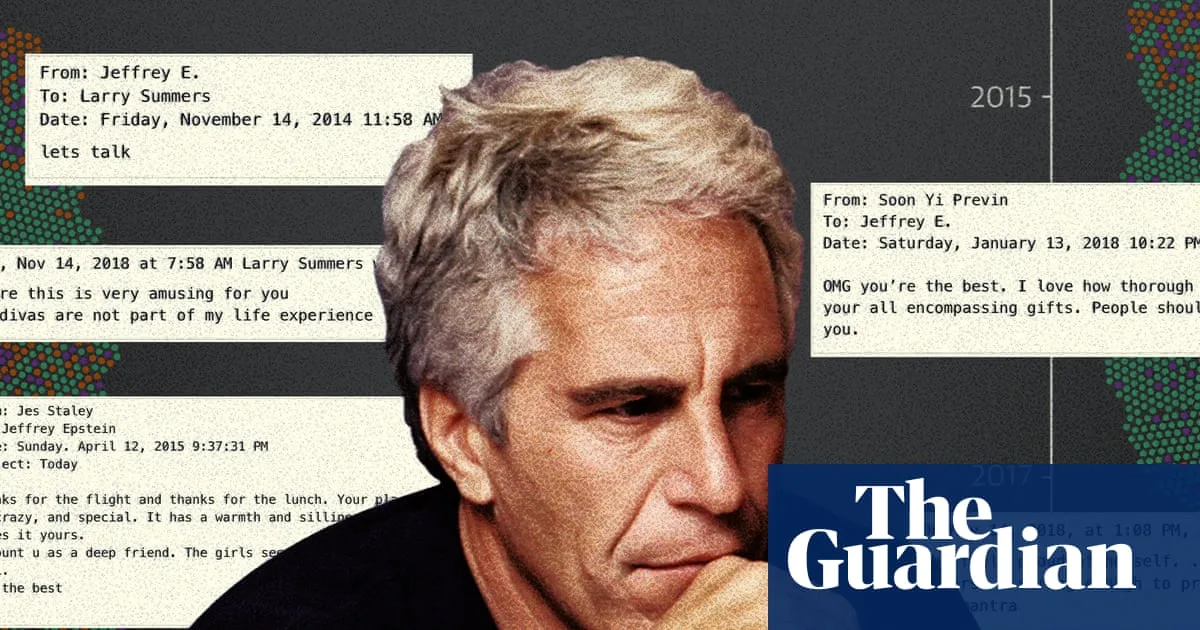
Newly released documents from the Department of Justice have revealed that convicted sex offender Jeffrey Epstein was deeply involved in efforts to blunt the impact of the #MeToo movement as it gained momentum worldwide. The files show Epstein engaging with numerous prominent men who had been accused of sexual misconduct, offering advice and support as they sought to challenge allegations against them.

Journalist's Plea for Support in Legal Battle

In August 2018, journalist Michael Wolff forwarded Epstein a request for help regarding writer Stephen Elliott, who was seeking to sue Moira Donegan, creator of the Shitty Media Men List. This crowd-sourced document contained anonymous allegations of misconduct against dozens of men working in media industries.

"I have always thought that the way back from this climate is through specific instances of individuals successfully challenging their persecution," Wolff wrote to Epstein in emails now released as part of the Epstein files. "If his story is solid he might be worth supporting."

Wide Pickt banner — collaborative shopping lists app for Telegram, phone mockup with grocery list

Initially responding with a single-word email saying "tough," Epstein eventually relented, writing: "ill help anyway i can. if you like." Weeks later, Elliott proceeded with his lawsuit against Donegan, who now works as a columnist for the Guardian.

Epstein's Boast About #MeToo Advice Requests

The documents reveal Epstein boasting about his growing reputation among men affected by the movement. In a November 2017 email to technologist Joi Ito, Epstein wrote: "with all these guys getting busted for harassment , i have moved slightly up on the repuation ladder and have been asked everday for advice etc."

This pattern continued throughout 2018, with Epstein writing in December of that year to a redacted recipient: "So many guys caught in the me too . reaching out to me. asking when does the madness stop." He added simply: "Funny."

Publicist's Strategy for Reputation Rehabilitation

Famed publicist Peggy Siegal engaged in extensive email exchanges with Epstein about the movement's impact. In November 2017, they marveled at how quickly #MeToo had destroyed the reputations of men like Charlie Rose, Harvey Weinstein, Brett Ratner and Louis CK.

"charlie, harvey , brett. louis. . jeffrey is looking better and better L:)" Epstein wrote to Siegal.

Siegal responded with advice about reputation management, suggesting Epstein should make donations to women's causes. "The Me Too crazies want blood and death. It is a barbaric over reaction to behavior that just ran its course," she wrote, adding: "I had conversations with you to give back. Did you ever set up scholarships? Help woman's health? Care for single mothers? Anything? That would make you a hero."

Intellectual Support from Noam Chomsky

Even prominent intellectual Noam Chomsky offered support to Epstein regarding his treatment in the media. In a signed email that Epstein forwarded to a publicist in February 2019, Chomsky advised ignoring "the horrible way you are being treated in the press and public."

"What the vultures dearly want is a public response," Chomsky wrote in the text attributed to him. "That's particularly true now with the hysteria that has developed about abuse of women, which has reached the point that even questioning a charge is a crime worse than murder."

Scientific Community Connections

The documents reveal particularly extensive involvement with celebrated scientist Lawrence Krauss, who faced allegations reported by Buzzfeed News in 2018. Krauss forwarded Epstein emails from reporters and university officials, discussed his conversations with Arizona State University administrators, and even asked Epstein to vet a potential lawyer.

Pickt after-article banner — collaborative shopping lists app with family illustration

In a March 2018 email to lawyer Justin Dillon, Krauss wrote: "I have been advised through much of the BuzzFeed experience, both before and after, by a friend, who is also somewhat infamous. His name is Jeffrey Epstein... Bottom line is that Jeffrey is not only friends with most of the famous people from finance, to business, to Hollywood, who have either been brought down during #metoo and he also speaks regularly with people ranging from the awful white house people, who he is friends with, to ken starr etc."

Dillon responded cautiously but pushed back against Epstein's legal advice, writing to Krauss: "You are getting terrible advice from smart people who have never done this work and have no idea what they're talking about."

Legal Strategy Development

The emails show Epstein and his contacts developing legal strategies to counter #MeToo allegations. Wolff's suggestion that accused individuals file lawsuits proved prescient, as defamation cases have become a major feature of the backlash to the movement.

As of last year, nearly a fifth of the 400-plus cases supported by the Time's Up Legal Defense Fund involved defending someone sued for defamation. This organization helps survivors of workplace sexual harassment with legal support.

Wider Implications of Released Documents

The release of approximately 3 million records related to Epstein last Friday provides unprecedented insight into how elite figures responded to the #MeToo movement. While some communications had been previously disclosed, the new documents significantly expand understanding of Epstein's role as an advisor to men facing sexual misconduct allegations.

There is no evidence that individuals like Stephen Elliott or Lorin Stein knew their communications had been forwarded to Epstein, nor that they personally communicated with the convicted sex offender. However, the documents collectively reveal a network of influential figures seeking Epstein's counsel on navigating the #MeToo landscape.

The emails, texts and other documents show Epstein positioning himself as a resource for men concerned about the movement's impact, while simultaneously revealing how some prominent figures viewed #MeToo as excessive or misguided in its pursuit of accountability for sexual misconduct.