AI Facial Recognition May Have Found Lost Sketch of Anne Boleyn
AI Facial Recognition Finds Possible Anne Boleyn Sketch

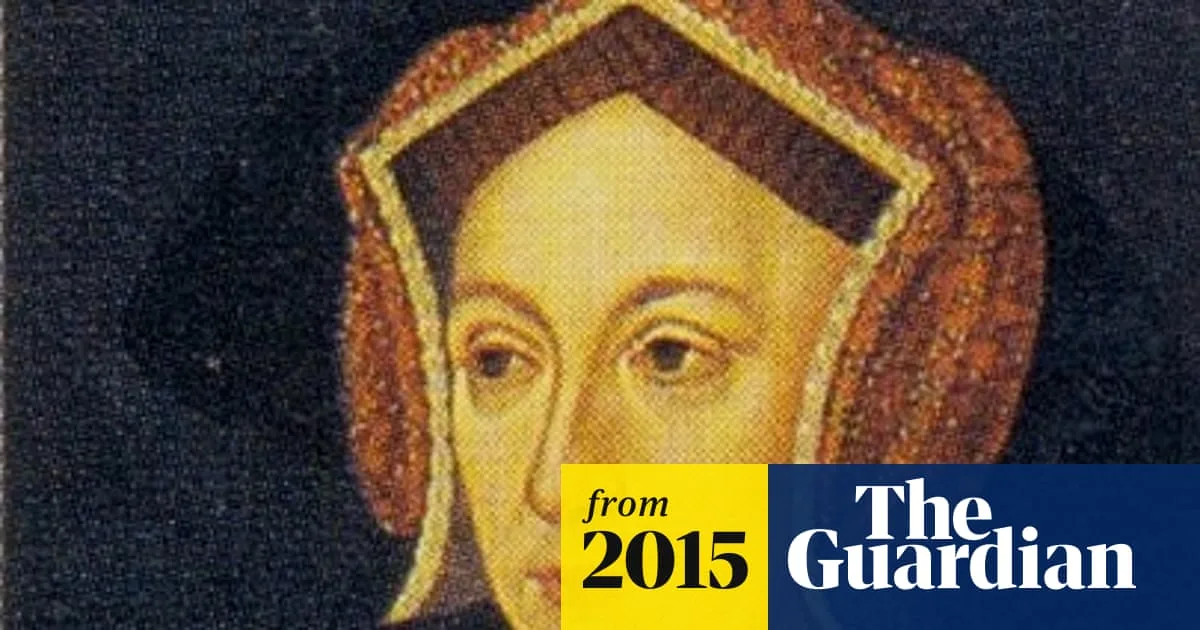
An independent historian believes that artificial intelligence recognition technology has uncovered a long-lost sketch of Anne Boleyn, the beheaded second wife of King Henry VIII. Despite winning the heart of the ill-tempered Tudor monarch and giving birth to one of history's most renowned queens, Elizabeth I, Boleyn's true appearance has remained unknown. After she was sent to the gallows, accused of adultery, incest, and treason, no confirmed paintings of her survived.

Discovery Through Facial Recognition

A computer science research team led by the University of Bradford claims to have identified a new sketch of Henry VIII's second wife using facial recognition software. They describe the discovery as exciting and suggest the method could be applied to future art detective work. Lead author Karen Davies explained that the team compared the drawings to Boleyn's daughter Elizabeth I and her cousins to determine familial similarity, which they say 'cluster' together.

'We've used drawings that we absolutely know are non-relations and they don't cluster,' Davies said. The facial recognition system groups faces with a higher percentage of resemblance, and the numbers can suggest a relative or the same person when interpreted.

Wide Pickt banner — collaborative shopping lists app for Telegram, phone mockup with grocery list

Building a Visual Family Tree

Davies and Professor Hassan Ugail, whom she met through one of her cleaning clients, believe the system could construct a visual family tree by assessing similarities between portraits. Davies, who worked as a cleaner to fund her historical research, told the BBC: 'The result has shocked us completely.'

Skepticism from Art Historians

Despite their excitement, doubt surrounds the methodology. Dr Charlotte Bolland, senior curator for 16th-century collections at the National Portrait Gallery, noted that no lifetime painted portrait exists as a reference point for Boleyn. She also explained that Boleyn's reign was too short for established iconography, and some images may have been deliberately destroyed after her death.

Although a few lifelike sketches of Boleyn survive, including one labelled with her name by artist Hans Holbein the Younger in the Royal Collection Trust, some argue it has been mislabelled. Others believe the name is evidence of its authenticity. This inspired the Bradford team to analyze Holbein's collection and compare each drawing to find key facial features related to Boleyn.

The Royal Collection Trust, which houses the artworks, did not participate in the research and does not endorse its findings. While Professor Ugail believes the methodology can be repeated, another art historian dismissed the study as 'a load of rubbish.'

Criticism and Response

Dr Bendor Grosvenor expressed suspicion that five centuries of art history were being questioned by what he called 'flawed methodology,' adding, 'I think, academically, I would describe it as a load of old phooey.' He was also shocked that the research passed peer review. Grosvenor maintains that Holbein's labelled sketch is genuine.

However, Davies has acknowledged potential flaws in her own research, stating the opposite belief about the alleged Boleyn sketch. In response to criticism, she said: 'If evidence can be tested, then it should be tested.'

Pickt after-article banner — collaborative shopping lists app with family illustration