
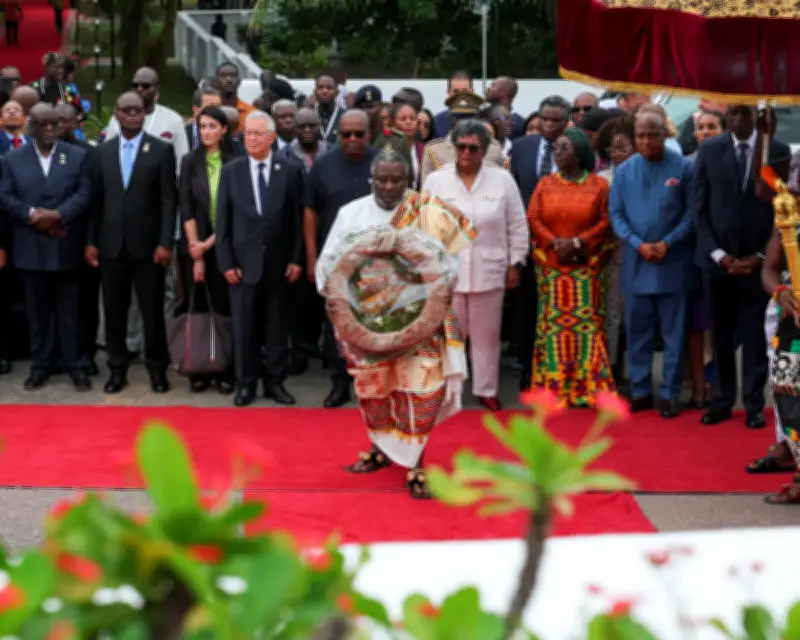
At the recent reparations conference in Accra, Ghana, the Caribbean Community Reparations Commission (CRC) launched an updated manifesto that strengthens the moral, ethical, and legal case for reparations for the enslavement of African people. The document, approved by a subcommittee of Caribbean leaders chaired by Barbados Prime Minister Mia Mottley, builds on the existing 10-point plan from the Caribbean Community (Caricom) and responds to public feedback.
Challenging the Politics of Racism
CRC chair Professor Sir Hilary Beckles emphasized that the manifesto is not about extracting resources from colonizing countries but about humanity resetting and purging itself of the politics of racism. He stated, "Our position was always clear … yes, we are doing this because we believe that there has to be justice for this crime committed. But we were always clear that this is really about the future of humanity." The manifesto addresses the "residual legacy of slavery" rooted in colonial-era legislation that dehumanized black people, which Beckles says often underlies resistance to reparative justice.
Foregrounding Gender-Based Violence
A notable update is the specific call for compensation for gender-based violence and assault on family. The manifesto references data showing women made up approximately 30% of the estimated 20 million Africans forcibly transported across the Atlantic, and at least 1.2 million enslaved women experienced sexual violence. Beckles explained that under slavery law, a child's status followed the mother, making the black female womb "the incubator of slavery." Women were considered "perfect property" because each child born was profit—the first child repaid the capital investment, and subsequent children were pure profit. The manifesto also highlights that the black family was suppressed and unrecognized under slavery.
Compensation and Historical Demands
The manifesto demands monetary compensation from enslaving nations, monarchies, churches, institutions, corporations, and families for loss of life, uncompensated labor, loss of liberty, mental pain, and gender-based violence. Beckles noted that enslaved people at emancipation asked for compensation but were denied, while slave owners received reparations. Post-independence Caribbean leaders also sought assistance but were told they were on their own. The document argues that these historical injustices continue today, as some Caribbean territories remain colonies.
Legal Case and Statute of Limitations
The revised plan incorporates the UN's landmark resolution declaring the transatlantic slave trade as the gravest crime against humanity. The manifesto stresses that crimes against humanity are not subject to a statute of limitations, meaning legal proceedings can still be initiated. Beckles said, "Chattel slavery, the gravest crime, [the] United Nations have declared, and we have a legal right to have a programme of action … We believe that the legal case has been made. We are now into phase two, which is the programme of reparatory action." The document will evolve with new evidence and aims to guide negotiations for reparatory justice.




