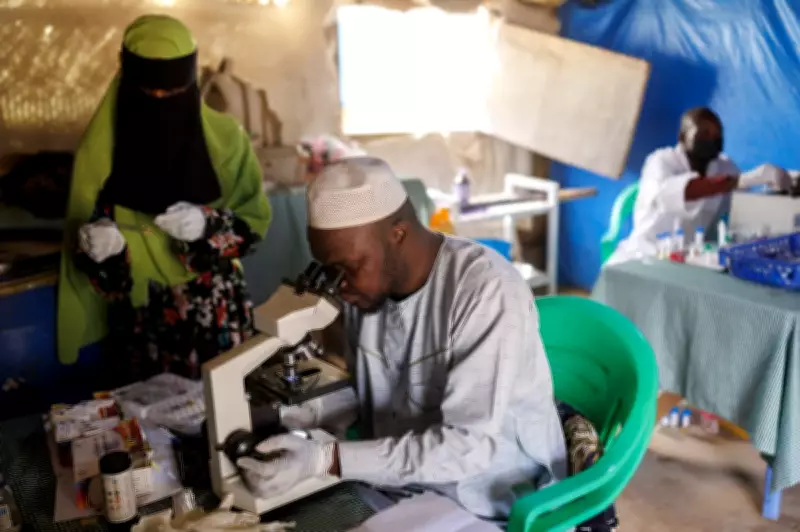
The United Kingdom stands as a malaria science superpower, but rising cases and aid cuts threaten progress. Gareth Jenkins of Malaria No More UK urges the government to maintain investment in malaria research and development.
The Perfect Storm of Challenges
Malaria cases have risen for six consecutive years since the Covid-19 pandemic, reaching an all-time high of 282 million in 2024. Deaths have climbed to 610,000, the highest since 2020, with 95 percent in sub-Saharan Africa and over 75 percent among children under five. A wave of global health budget cuts in 2025 has hampered both the delivery of existing tools and the development of new ones. Mosquitoes and parasites are building resistance to key interventions, while climate change shifts mosquito habitats and extreme weather disrupts control measures. Conflict worldwide further undermines public health efforts.
Historic Progress and UK Leadership
Despite recent setbacks, progress is possible. Between 2000 and 2019, annual malaria deaths dropped by over 34 percent, thanks to a robust pipeline of tools and well-funded global health bodies. The UK has been pivotal: as of 2025, British institutions contributed to one in five malaria tools in the R&D pipeline, ranking third globally. The UK is involved in nearly a third (31 percent) of all malaria vaccines in development and 23.2 percent of drugs, making it the second-largest contributor to vaccine research. For nearly two decades, the UK has been one of the top financial backers of malaria R&D.

What Makes UK Leadership Possible?
Key factors include collaboration with scientists in malaria-endemic countries, world-class universities and research institutes, and a vibrant network of pharmaceutical and biotech companies. Years of consistent government commitment have fostered stability and confidence. Scientists are now closer than ever to creating end-game tools that could eliminate malaria entirely.
A Call to Protect Investment
With malaria cases rising and aid commitments shrinking, the UK government must protect spending on malaria R&D, particularly through the Foreign, Commonwealth and Development Office's global research portfolio. This investment would save children's lives and counter the growing threat. Moreover, it would yield global benefits, including for the UK. Previous research shows that reducing malaria could boost international trade by over $80 billion (£66 billion), benefiting UK businesses. Health spin-offs are also notable: malaria vaccine research contributed to a shingles vaccine now widely used in high-income countries, projected to prevent nearly 32 million cases globally by 2050.
Continuing to back British scientists and maintaining the UK's status as a malaria science superpower is one of the best ways to save lives worldwide while enhancing UK health security and economic stability. In the face of a perfect storm of malaria threats, optimism and action are essential.
Gareth Jenkins is managing director of Malaria No More UK. This article is part of The Independent's Rethinking Global Aid project.