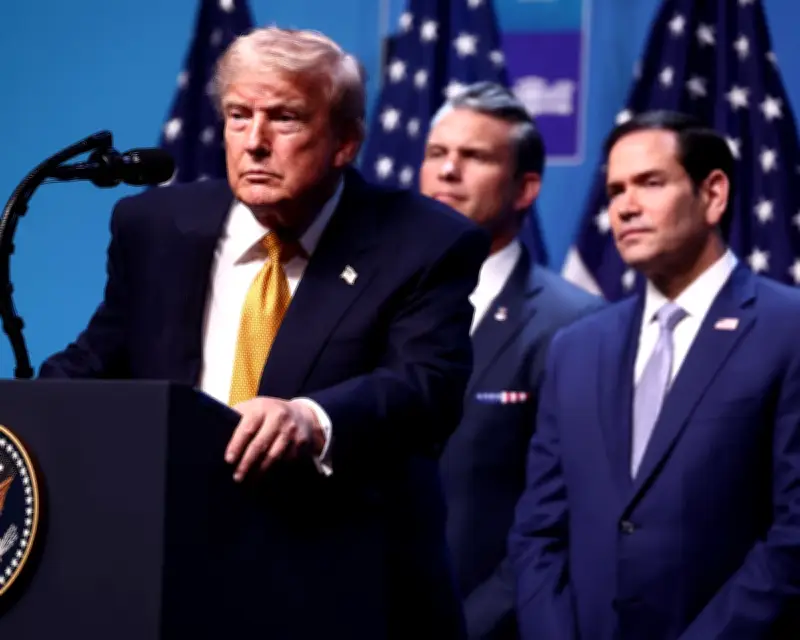
Donald Trump's recent Nato summit in Ankara highlighted the limits of his confrontational approach to alliances. While his threats to withdraw from the alliance have lost their shock value, the underlying issues he raised about burden-sharing remain relevant, writes Christopher S Chivvis, senior fellow at the Carnegie Endowment for International Peace.
Trump's Approach Losing Steam
Trump's full-page advertisements in 1987 charging that America carried too much weight for its allies foreshadowed his first-term threats to withdraw from Nato. However, last week's summit in Turkey suggests his approach is running out of steam as the world adjusts and he faces the limits of unilateral power in Iran. His attempts to dominate the meeting rang hollow, and his berating of allies for not supporting him against Iran conflicted with later claims of 'tremendous love'.
Real Recognition of Alliance Costs
Despite his counterproductive bluster, Trump recognized something real: US alliances come with significant costs. His domestic political opponents should breathe a sigh of relief but not rush into an uncritical embrace of these alliances. If Democratic and Republican leaders fail to be clear-eyed about what alliances cost Americans—as Biden failed with Israel—they risk fueling the fires that brought Trump to power.

Europe Growing Stronger
The threat of Trump withdrawing from Nato is losing force. Withdrawing from the nearly 80-year-old alliance would trigger a domestic political firestorm and could appear weak. Meanwhile, Europe is growing stronger and less vulnerable to Trump's threats of abandonment, now on course to acquire serious defenses against Russia. Washington should welcome this, as shared interests in peace and prosperity sustain the alliance, not just institutional structures.
Damage to Trust and Future Partnerships
Trump's damage to trust and confidence in Washington is real and will take years to repair. His threats have undermined the US ability to build partnerships needed for challenges like climate, global health, and the world economy. However, too many of his political opponents remain overcommitted to military alliances, espousing enthusiasm bordering on the religious.
Core of Alliances: War Commitments
Alliances are not just international social clubs; their core is a commitment to fight a war for another country. US leaders cannot afford to tie the nation to allies that do not reciprocate with real benefits for the American people. Biden's bear hug of Israel, his one-dimensional reassurance of European allies, and unconditional support to Ukraine and Taiwan are examples.
Toward a Balanced US-European Relationship
The Ankara summit is likely to be remembered as a step toward a Nato where Europe's role equals America's, and a more balanced US-European relationship. Future American leaders can learn from Trump's mistakes without reacting against them. The world needs constructive US leadership, but also realism about the limits of American power and the costs the American people will bear.