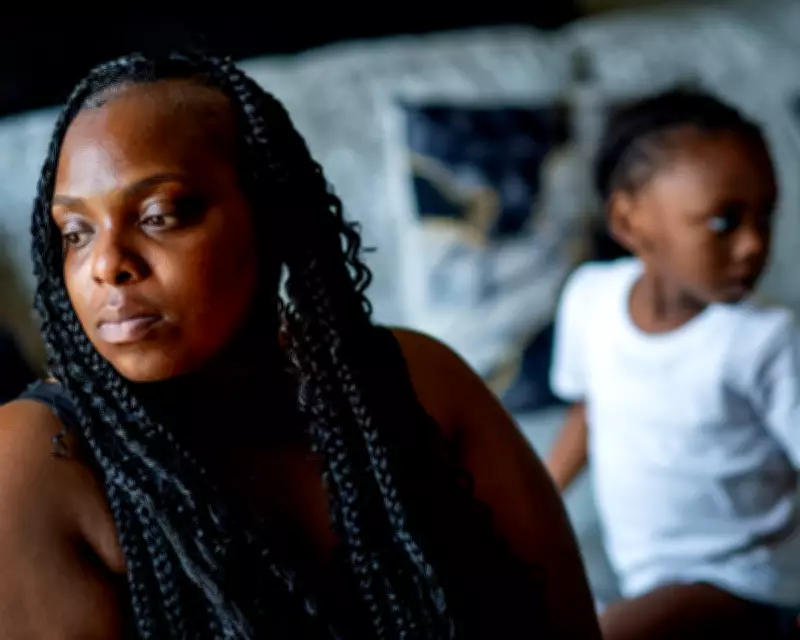
Corshelle Jenkins, a 36-year-old Portland mother of six, was wrongfully charged with theft in May 2025. A letter informed her that a warrant had been issued for her arrest after she failed to appear in court for a crime she did not commit. Stunned, she assumed a visit to court would clear up the mistaken identity. However, the judge told her no public defenders were available, and she would have to keep returning until one could be assigned. That day, roughly 1,280 other defendants in Multnomah County were also waiting for attorneys, some for months or over a year.
Systemic Breakdown
Oregon is constitutionally required to provide public defenders to defendants who cannot afford their own lawyers. Yet a severe shortage of attorneys has pushed the legal system to the brink. In February, the Oregon Supreme Court ruled that charges must be dismissed for those waiting 90 days or more in felony cases and 60 days in misdemeanor cases, leading to over 1,400 pending cases being dropped. However, many defendants still face long delays, and those whose cases are dismissed can be recharged.
Impact on Defendants
Jenkins, who works at a senior living facility, feared being arrested with her children in the car. She lost job opportunities and worried about her current employment due to background checks. Veronica Gates, 20, experienced a miscarriage amid the stress of waiting for a lawyer on a disorderly conduct charge. Nacyus Berry, 20, faced delays in returning to school and finding housing due to a trespassing charge that was eventually dismissed. These cases illustrate the human toll of the crisis.

Root Causes
The crisis stems from years of underfunding and a convoluted public defense bureaucracy. Oregon contracts with nonprofits, private firms, and individual lawyers, but a 2019 report found a lack of oversight. Reforms, such as ending flat fees, inadvertently reduced the number of cases attorneys would take. The COVID-19 pandemic exacerbated backlogs, and an influx of cases related to homelessness and addiction further strained the system.
Signs of Progress
Between November 2024 and November 2025, the number of unrepresented defendants dropped by 23%, from about 3,700 to 3,000. The Oregon Public Defense Commission has expanded capacity, created specialized dockets, and deployed trial lawyers to crisis areas. Lawmakers have increased funding for law school clinics and pushed for alternatives to prosecution. However, the epicenter in Portland remains problematic, with disagreements between the district attorney and public defenders over solutions.
After Two Years, Justice Delayed
In October 2025, Jenkins finally received a public defender. Surveillance footage revealed that a woman who looked similar had given police Jenkins's name. Despite clear evidence of mistaken identity, the district attorney's office took months to dismiss the case. Jenkins was freed from the charges in January 2026, two and a half years after the wrongful charge. She feels abused by a system that treated her as just another case, and she fears future wrongful accusations.