Morgan McSweeney, the former chief of staff to Prime Minister Keir Starmer, has acknowledged that Foreign Office officials were under significant pressure to fast-track Peter Mandelson's appointment as UK ambassador to Washington. However, he firmly denied that any steps in the security vetting process were bypassed or that standards were compromised.
McSweeney's Testimony
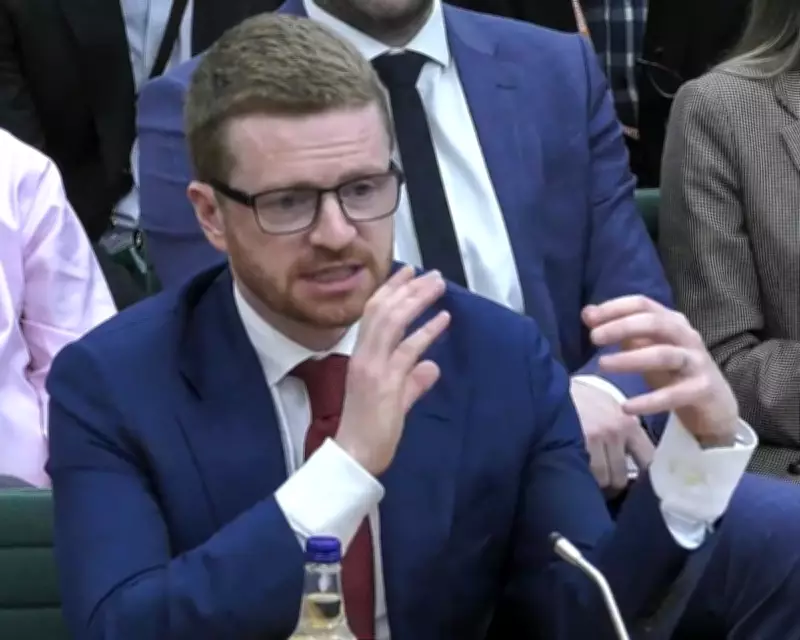
Appearing before the Foreign Affairs Select Committee on Tuesday, McSweeney stated: "There is a real difference between asking people to act at pace and asking people to lower standards. We never did that. We never asked people to skip steps at any part of the process." He insisted that the request was solely about expediting the process, not about engaging in any improper conduct.
McSweeney, who resigned earlier this year amid the scandal, admitted that he had asked Sir Philip Barton, then the top official at the Foreign Office, to proceed "at pace" but clarified that he never instructed anyone to act improperly. He emphasised that he was not involved in Mandelson's vetting process and did not request any procedures to be ignored or steps to be skipped.

Pressure from Downing Street
Sir Philip Barton had previously told the committee that there "absolutely" was pressure from Downing Street to expedite the vetting process. Olly Robbins, Barton's successor who was later dismissed, also testified that he felt "constant" pressure to ensure Mandelson's appointment proceeded swiftly.
Barton described Number 10 as "uninterested" in the vetting process, noting that there were no mechanisms for him to express his concerns about Mandelson's links to Jeffrey Epstein. He stated: "The normal order is vetting then announcement," highlighting the unusual nature of the appointment being announced before vetting was completed.
Mandelson's Epstein Links
McSweeney expressed deep regret over the extent of Mandelson's connections with Jeffrey Epstein, describing the revelation as a "knife through my soul." He admitted that he should have asked the Cabinet Office's Propriety and Ethics Team (PET) to seek clarification from Mandelson rather than doing so himself, given their personal relationship.
He said: "When I look back on it, I certainly think it would have been much, much better if I'd asked PET to ask those follow-up questions." McSweeney believed that Mandelson's relationship with Epstein was merely a "passing acquaintance" that Mandelson regretted, but later disclosures revealed a far deeper connection.
Starmer's Knowledge
McSweeney asserted that Prime Minister Starmer would not have proceeded with the appointment had he known the full truth about Mandelson's ties to Epstein. "The prime minister did not have enough information because Mandelson did not share the necessary information with him," he said, adding that Mandelson had ample opportunity to disclose the details but failed to do so.
He acknowledged that withdrawing Mandelson's appointment due to security clearance issues would have been "embarrassing" for the government, but it would have been "far preferable" than allowing it to proceed. Many Labour MPs have expressed anger that Downing Street, aware of Mandelson's close friendship with Epstein, still decided to send him to Washington.
Barton's Account
Sir Philip Barton told the committee that he was not informed of Number 10's intention to appoint Mandelson until a day before the announcement. He said: "I wasn't involved, I wasn't told a decision was coming." Barton believed his concerns about Epstein were shared by National Security Adviser Jonathan Powell, but he felt the "die was cast" and there was no possibility of advising against the appointment.
Barton also denied receiving any phone call from McSweeney urging him to approve the appointment, a rumour that has circulated in Westminster. McSweeney described such rumours as "corrosive" to public trust in the political system.
Conclusion
McSweeney concluded by admitting he made a "serious error of judgment" in advising Starmer to appoint Mandelson, but he argued that Mandelson's experience and skills could have served UK interests, particularly in trade, as Donald Trump returned to the White House. The committee continues to investigate the circumstances surrounding the controversial appointment.