A meeting between European Union officials and the Taliban in Brussels on Tuesday to discuss scaling up deportations of Afghan migrants has sparked widespread outrage among Afghan women and human rights campaigners. The talks, which focused on returning Afghans without legal residence permits, have been condemned as a betrayal of the EU's stated commitment to women's rights in Afghanistan.
Talks Trigger Fury and Disbelief
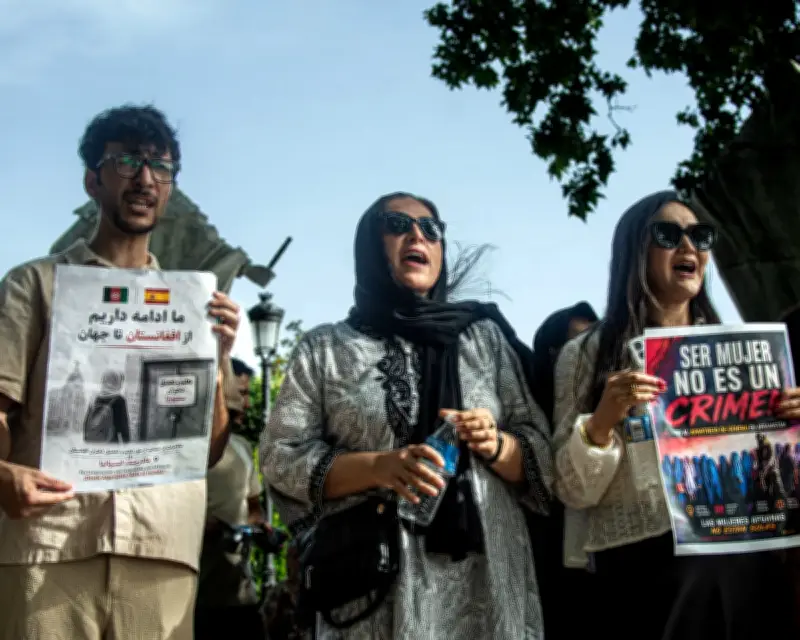
Afghan women reacted with anger and disbelief to the news of the meeting. Zahra Nader, editor-in-chief of Zan Times, a newsroom-in-exile, described it as "a slap in the faces of Afghan women." She told the Guardian: "The EU is telling us that our suffering, being stripped of our most basic rights for five years now, doesn't amount to anything. That a regime can erase women from public life entirely, and still be worth sitting down with."
The European Commission confirmed the talks, initially stating they would focus on Afghans who "pose a security threat" to the EU. However, the invitation letter to Taliban officials referenced Afghans with no legal right to be in the EU, a discrepancy that Ashifa Kassam, the Guardian's European community affairs correspondent, called "two very different things."
Context of Oppression in Afghanistan
Since the Taliban returned to power in 2021, women and girls in Afghanistan have faced severe restrictions: no schooling beyond age 11, exclusion from jobs and public spaces, and a marriage law that perpetuates domestic violence and child abuse. The European Parliament had previously passed resolutions condemning this "systematic persecution."
Despite this, 20 EU member states called for concrete pathways to deport Afghans without legal permits. The EU received about 1 million asylum applications from Afghans between 2013 and 2024, with roughly half approved. Many fled after the Taliban's return, fearing reprisals for working with US and allied forces.
Harshening Migration Policy
The meeting is part of a broader hardening of EU migration policy. In June, the European Parliament passed updates to the EU migration and asylum pact, which human rights organizations warn could facilitate detention and offshore returns. Ashifa Kassam noted that the parliament "erupted with cheers from right-wing MEPs and chants of 'send them back'" after the vote.
"International law states that asylum cases must be considered individually, but what you saw there was a group rejection," she said. "That moment captured how for some lawmakers in the EU, international human rights obligations are secondary to the imperative of getting rid of these people and fortifying borders."
Risks of Deportation
A UN report last year found that many Afghans returned to the country, mostly by Pakistan and Iran, experienced arbitrary arrest, detention, torture, and ill treatment. Afghanistan is also in the grip of a humanitarian crisis, with about 40% of the population affected by hunger.
"What happens if we send people back to this country that is not in any kind of shape to be receiving them?" Ashifa Kassam asked. "And how can the EU say that it's guaranteeing the rights of the people it is deporting?"
Normalisation of the Taliban
Although EU officials insisted the meeting does not amount to recognition of the Taliban, critics argue it normalises the regime. "You can't host a meeting in Brussels and give out visas without legitimising them," said Ashifa Kassam. The leader of the Afghan delegation indicated discussions included possible resumption of consular services.
Zahra Nader added: "It is a complete disregard for human rights, and it is especially painful coming from countries that claim to champion women's rights when it's convenient, and then abandon that claim the moment it isn't."