
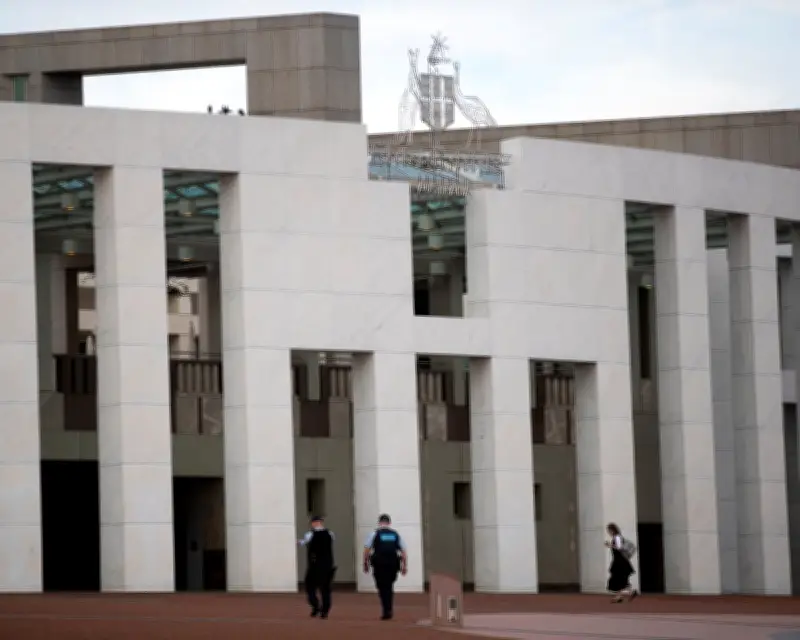
Political lobbyists with unfettered access to the halls of Parliament House – and the MPs who sponsor their passes – will soon be publicly identified in an online register, under a major shake-up of the parliamentary pass system.
New Rules for Lobbyist Passes
Under the new rules, two MPs will need to sign for a lobbyist to register for a pass, with the primary sponsor responsible for their behaviour. The changes also introduce fees for lobbyist and commercial passes.
A letter, seen by Guardian Australia, was distributed to federal parliamentarians on Thursday detailing the new rules.
Increased Transparency
The changes drastically increase the transparency of the pass system. Previously the public would have no knowledge of who has sponsored a lobbyist pass, or how many passes an MP has sponsored.
There were more than 2,050 sponsored passes for access to Parliament House as of mid-2024. It’s unknown how many of those were held by paid lobbyists.
The review of the policies governing access to the building’s private areas was conducted by the House speaker, Milton Dick, and the Senate president, Sue Lines. The prime minister wrote to them in March ahead of the review and suggested greater “transparency and rigour” of sponsored pass holders.
In their letter to parliamentarians, Dick and Lines said they were committed to “maintaining the democratic openness of Parliament House, while ensuring that access to the private areas is appropriately managed, transparent, and aligned with community expectations”.
“The revised policy strengthens the transparency and oversight of access passes issued to individuals who have privileged access to Parliament House,” the letter says.
New Pass Categories
Their review has also determined new categories for sponsored passes – with political lobbyists to remain with orange passes, while commercial representatives and advocacy and community groups are to apply for light blue passes.
Commercial and community passes will be treated slightly different to those of lobbyists, with the online register including the names of organisations and sponsoring MPs, but not those of individual passholders.
Access passes for former parliamentarians from states and territory legislatures will now be restricted to former premiers, chief ministers and ministers.
Visitors with orange passes currently have rights to unescorted access to the non-public areas of Parliament House, allowing them to roam freely in the corridors of MPs’ offices.
Sponsored pass holders will no longer have access to the building on weekends or between 11pm and 5am. The rules will also introduce sanctions for noncompliance with the conditions.
Reaction from Politicians
The changes follow a campaign from independents to increase transparency around the passes. Several crossbenchers, including the ACT senator David Pocock, who last year created an online public register, have disclosed which passes they sponsor.
Pocock said Thursday’s overhaul was a “huge win” for those who had been pushing for lobbying reform. “Publishing more information about who has privileged access to parliament house and who gave it to them is a huge win for community and crossbench advocacy on lobbying reform,” he said.
He said alignment was still needed between the rules for in-house lobbyists and third party or external lobbyists, as was a system of publishing ministerial diaries or disclosing lobbyist meetings. The Greens senator Steph Hodgins-May said the changes were a “move towards the transparency people expect around access to Parliament House and decision makers”. “But the halls of parliament aren’t the only place where corporate capture happens … There are lobby groups that should be barred completely.”




