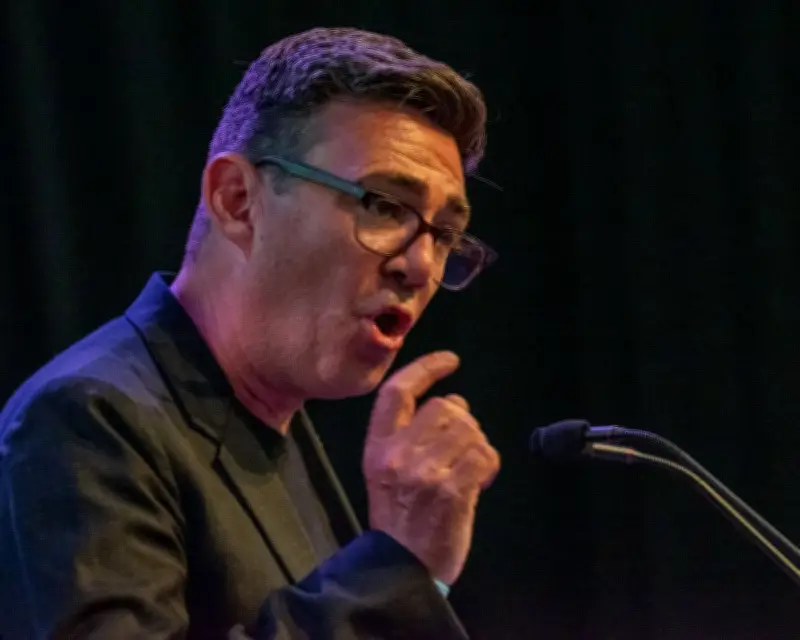
Andy Burnham's victory in the Makerfield by-election sets the stage for a potential battle for Downing Street. Allies of the outgoing Greater Manchester mayor want him installed as prime minister swiftly, while supporters of Keir Starmer urge the Labour leader to resist. If Burnham becomes prime minister, he will face intense scrutiny over his promised 'change.' Here are the key policies he might pursue.
1. Public Ownership of Utilities
Burnham's allies envision a 10-year project to bring large parts of Britain's water and energy sectors into public control. The process would likely start with Thames Water, where creditors are negotiating a rescue deal. Environment Secretary Emma Reynolds has opposed a proposed £10bn bailout, bringing the company closer to nationalisation. Other firms, such as South East Water, could follow. Eventually, Burnham's team aims to bring energy transmission companies, possibly including National Grid, into public hands, though this could take years and cost billions in compensation.
2. Cost of Living Support
Close associates of Burnham want him to prioritise easing the cost of living. Proposed measures include heavy state intervention to reduce bills, a temporary rent freeze, and shifting levies from energy bills to general taxation. However, this may require tax increases, forcing difficult political choices. Burnham has pledged not to raise income tax, national insurance, or VAT, and has suggested cutting employers' national insurance and reducing business rates for pubs. Options to raise revenue include increasing capital gains tax, as advocated by potential leadership rival Wes Streeting.

3. Devolution
Burnham has called for more power for the north and regions overlooked by Westminster. Starmer's government is already devolving some powers, such as giving mayors a share of business rate revenues. Burnham's allies want to go further, potentially placing major public services like schools and hospitals under mayoral control.
4. Less Control of MPs
Burnham has proposed scrapping the whipping system that ensures MPs vote along party lines. Complete abolition could cause chaos, making it difficult to implement manifesto promises. Instead, he might reform the system to allow more conscience votes and fewer three-line whips. Another likely change is reducing briefing notes for MPs, enabling them to speak more freely. This approach may require voters to adjust to ministers airing disagreements publicly.
5. Voting Reform
Burnham has been convinced of the need to end first-past-the-post since becoming Greater Manchester mayor in 2017, arguing it centralises power in London. He benefited from a transferable-vote system in Manchester, which made every vote count. Burnham has not specified a preferred system but has proposed a national commission on electoral reform to make recommendations before the next Labour manifesto.