Global conflicts across Europe, the Middle East and Asia have made the prospect of World War 3 more realistic than ever, prompting a new poll asking whether Britons would fight for the UK.
Rising Global Tensions
Russia continues its relentless attacks on Ukraine, while issuing recurring threats of missile and drone attacks on NATO territory. Tensions in the Middle East continue to escalate, with the latest missile strike killing 13 people at Riyadh's international airport.
The instability of nations has put the world on edge, and the UK is far from safe. The MI5 chief recently issued a warning that protecting the nation no longer means simply defending its borders, as the UK enters a "new era of national security".
Russia's Ambitions
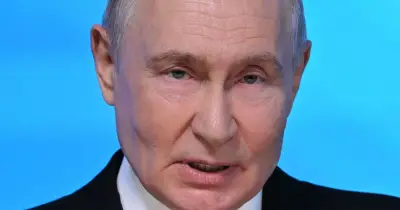
A Vladimir Putin ally declared that Moscow's goal should be to spark "as many wars as possible". State television propagandist Vladimir Solovyov, speaking on his radio show Full Contact, unveiled Russia's hopes of sparking chaos beyond Ukraine, arguing that Russia must work to attack European unity.
This is one of many signs that WW3 could be on the horizon. The poll invites readers to vote and share their thoughts in the comments section.
Military Readiness Concerns
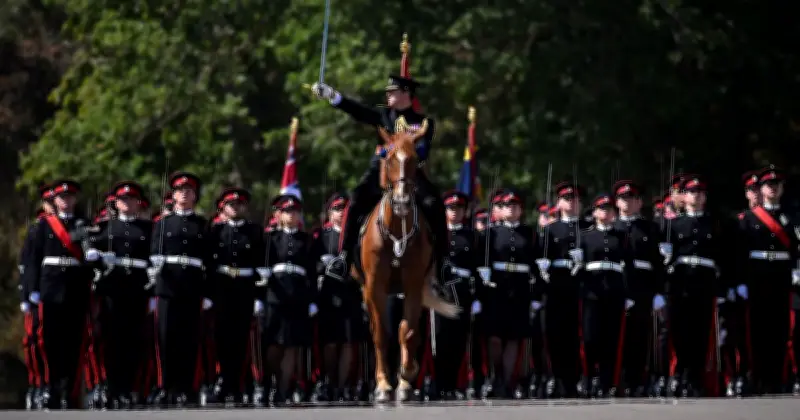
It was only this summer that a British Army general warned that we are not ready for war and that conscription may be necessary following threats from the Kremlin. Retired British General Sir Richard Shirreff, a former Deputy Supreme Allied Commander Europe, said: "An army of 70,000 is simply not going to cut the mustard in the sort of war we are going to have to face. So I don't see how we could generate the military capability needed without some form of call-up."
A recent Ipsos poll found that young Brits are willing to support the nation, offering some hope that, should war break out, people would be willing to fight for their country. It found that more than half of young Brits would take part in a mandatory year of National Service.
On the other hand, 26% of those aged over 65 said it would be an opportunity to participate, while 40% viewed it as an obligation.