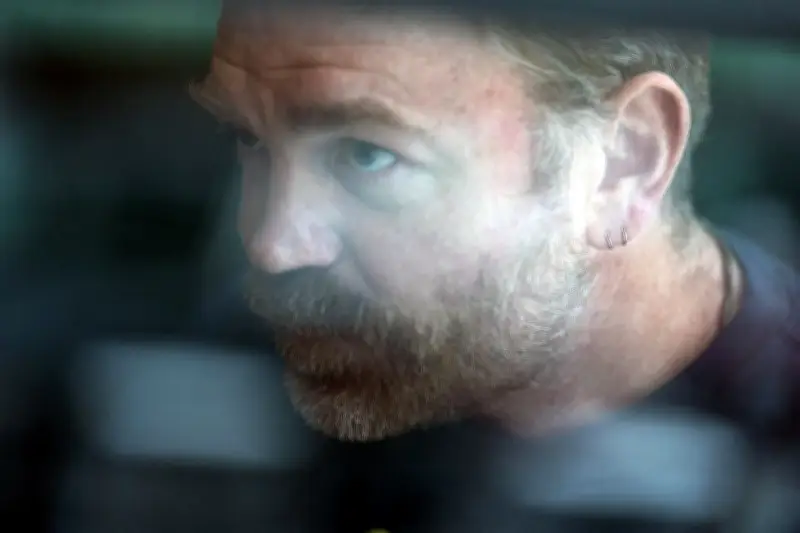
Graham Platner, a military veteran turned oyster farmer, withdrew his US Senate bid after a rape accusation, though he denied the allegation. His collapse has sparked debate over whose flaws are forgivable in politics.
Platner's Controversial Rise and Fall
Platner, seen as an authentic populist, faced numerous controversies: racist, sexist, homophobic online posts; a Nazi-symbol tattoo later covered; extramarital explicit messages; and allegations of toxic behavior, which he denied. Despite these, he raised large sums from grassroots donors, pushed a sitting governor out of the primary, and won the Democratic nomination. Only after the rape accusation did his support collapse.
Double Standard in Candidate Forgiveness
Amanda Litman, co-founder of Run for Something, said: "White men get to fail. Women do not get to make mistakes. People of color do not get to make mistakes." She argued Platner was granted unusual latitude that a woman or candidate of color would not have received. Litman called him the "political equivalent of the Fyre fest guy or Adam Neumann"—men who get second chances after failure.

Chris Rabb, a Pennsylvania Democratic candidate, noted: "Folks who have been identified as hardscrabble, populist, left-of-center white guys get far more leeway than folks like me, Black progressives. That's a double standard based on race." He added that if he had a problematic tattoo, he wouldn't be viable in a majority-Black district due to lack of funding.
Women Candidates Express Frustration
Annie Andrews, Democratic Senate nominee in South Carolina, wrote: "I'm just a girl, running for the US Senate, with a medical degree, a record of service, and a non-problematic past." Michelle White of Emily's List said: "Time after time, we watch strong women candidates get dismissed while disastrous men take up all the oxygen." Sara McGee, a Texas state house candidate, expressed disbelief that some Democrats accept disqualifying characteristics in their own candidates.
Research on Gender and Candidacy
Kelly Dittmar of Rutgers University said women often start from a deficit, needing to prove they fit leadership expectations. A 2008 survey found women weigh how a campaign affects family and community, while men run because they want the job. Women face a "character pedestal"—held to higher moral standards—so their fall is harder when accused, per Celinda Lake's research.
Changing Norms and Hope for the Future
Some signs show change since 2016. Darializa Avila Chevalier, a democratic socialist, won a primary despite scrutiny over deleted social media posts. Kat Abughazaleh, who lost a primary, revealed she has narcolepsy, facing criticism but noting: "I don't have a Nazi tattoo. I've never raped anyone." She hopes Platner's collapse widens the search for authentic candidates beyond white men.