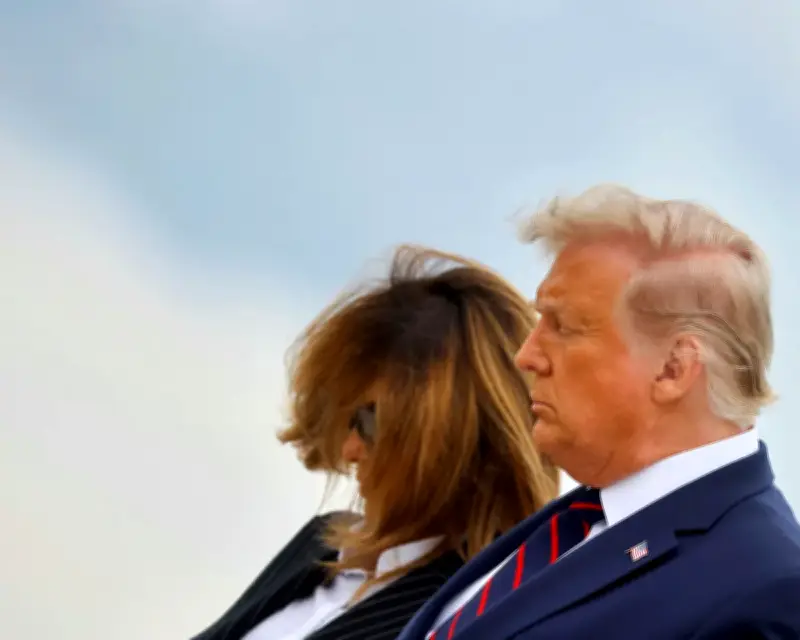
Donald Trump is in Nebraska today to rally supporters, launching a series of campaign events ahead of the US midterm elections on 3 November. His speeches are expected to include poll denial, accusations of veganism, and frequent expletives, according to early indications. Republicans say their support is steady in Nebraska, which has backed Trump three times, aside from one "blue dot" district in Omaha.
Trump's campaign against the odds
This campaign comes as Trump's approval ratings plummet, his Maga movement unravels, and an affordability crisis escalates due to his unpopular war on Iran. Despite this, Trump supporters remain among the most motivated to vote, and Republicans have deeper financial resources to mobilise their base.
Guardian readers submitted questions about the midterms, which were put to Ankita Rao, the Washington editor who runs the US elections newsletter The Stakes. Rao notes a serious disconnect between Trump and his supporters, as his political instincts falter "partly because he can't see beyond his own fixations"—be that his ballroom, the war in Iran, or the growth of AI. One Ohio voter said: "I'm sorry, but I don't give a shit whose name is on the Kennedy Center."
Election integrity and preparedness
Rao, who joined Guardian US seven years ago as voting rights editor, says election integrity is essential to their coverage. Trump has signed executive orders to assert more control over voting methods and refused to rule out declaring a national emergency around elections. "We are prepared for anything," says Rao. Legal challenges in individual races are "almost inevitable," and the team is ready to move to states where election systems are fully controlled by Republicans if anything unusual happens.
Fear of election rigging is high, with Democrats worried about making their vote count and nervous about mail-in ballots. Rao suggests this could result in higher turnout, as early data in Florida shows high voter registration among Democrats. "There's a sense that 'we need to go out in droves and make sure that all of these wins are very decisive, so that nobody can question them.'"
Potential outcomes and progressive influence
Rao avoids predictions but says if an election were called tomorrow, "it looks as if the Democrats will absolutely win the House and most likely win the Senate." A decisive majority in both chambers could act as a bulwark against Trump, though he sidestepped congressional authorisation ahead of the Iran war. She anticipates investigations after the midterms, including into revelations that a Russian oligarch bankrolled part of Donald Trump Jr's wedding.
On democratic socialists, Rao says the number elected is likely to be a handful, but they could become a "very vocal group." She points to Alexandria Ocasio-Cortez as an example of a strategic and collaborative lawmaker, though it remains to be seen if an augmented group takes a similar route or a more hardline stance, particularly on Israel's decimation of Gaza.
The military presence in cities like DC adds "a layer of subtle fear," says Rao, but it doesn't deter voters. "Places where we see this military presence—in Minneapolis, or LA, or DC—are such vocal, largely Democratic cities that people are undeterred." She notes, "There are double the number of lawn signs. It's defiant."