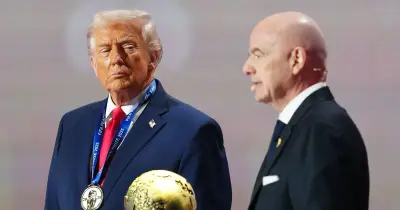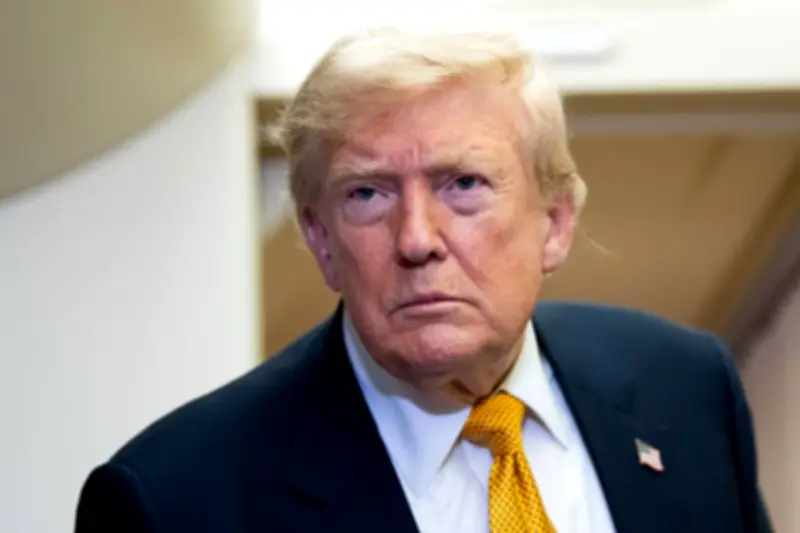
Donald Trump's proposal to impose a 20% toll on vessels transiting the Strait of Hormuz has ignited fierce condemnation in Britain, with critics labeling the move 'state-backed highway robbery' and a violation of international law. The US president framed the fee as a matter of fairness to recoup costs for providing security in the vital waterway.
Trump's Announcement and Justification
Writing on his Truth Social platform, Trump declared the strait open and announced the reinstatement of what he called the 'Iranian blockade,' claiming it would only affect Iranian ships or customers. He stated that the US would be 'reimbursed at the rate of 20% on all cargo shipped' for ensuring safety and security, and that the process would begin immediately.
Trump's declaration follows heightened tensions between Washington and Tehran, including an Iranian attack on a container ship on Sunday and exchanges of fire. Iran claims control over the waterway, a position disputed by the US and others citing international law on freedom of navigation.

British Political Backlash
Liberal Democrat foreign affairs spokesman Calum Miller MP condemned the plan as 'economic extortion' and 'a flagrant violation of international law.' He warned that the UK government must not be a passive bystander while 'a volatile White House tears up the rules of global trade and regional stability.' Miller urged Prime Minister Keir Starmer to coordinate with allies to reject the toll and de-escalate the conflict.
The criticism echoes broader concerns that the move could disrupt global trade and drive up fuel and food prices, as the strait is a critical chokepoint for oil and gas shipments.
Military Escalation and Drone Strikes
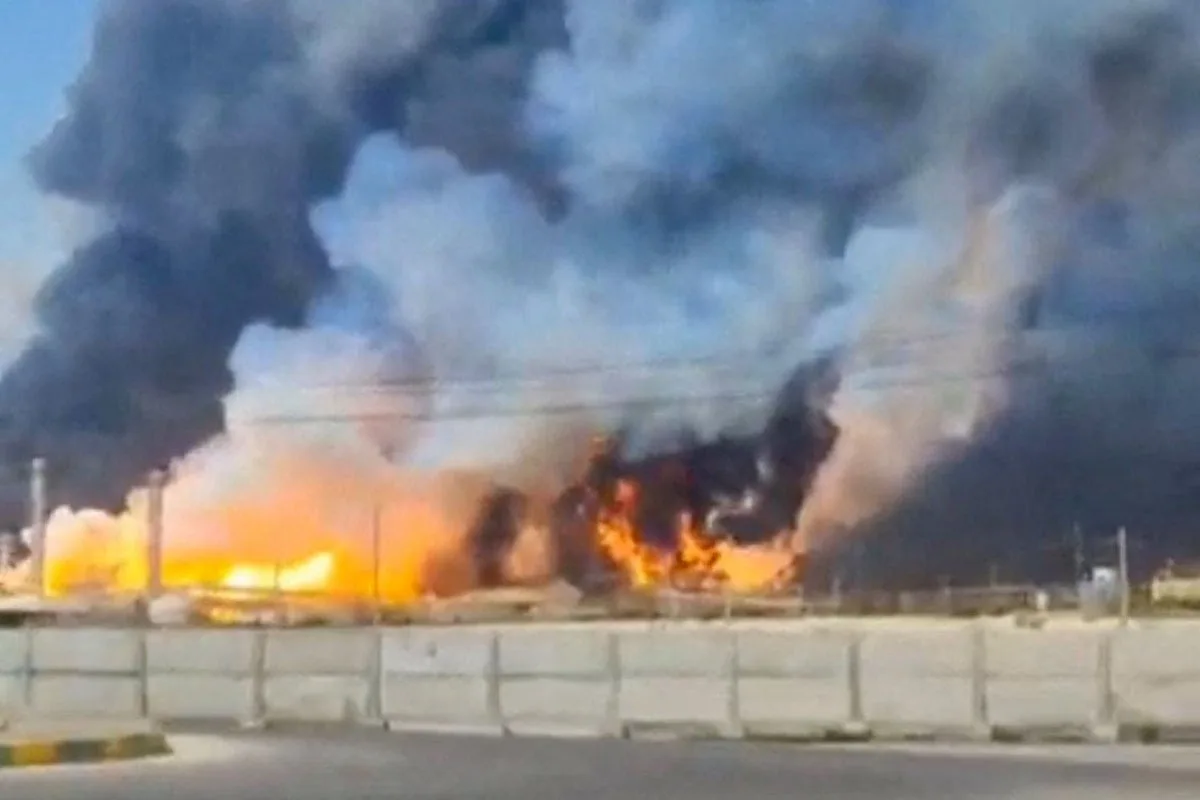
Meanwhile, US Central Command (Centcom) revealed it had deployed one-way 'kamikaze' surface drones for the first time in combat operations against Iran, striking a submarine and ship maintenance facility at Bandar Abbas Naval Base. Three Corsair unmanned surface vessels hit the port, degrading Iran's ability to attack commercial shipping, according to Centcom.
The strikes mark a significant escalation in the use of unmanned naval systems by US forces in the region.
Background and Previous Negotiations
Ending Iran's perceived stranglehold on the strait had been a key demand in prior negotiations. An initial deal between the US and Iran provided for safe, toll-free passage for 60 days, pending a final agreement on Tehran's nuclear program. That pact left future administration of the strait to Iran, Oman, and other Gulf states.
Despite the agreement, Iran has continued to assert leverage over the channel, demanding ships seek permission and hinting at future charges. The new US toll proposal threatens to upend these fragile arrangements and further destabilize the region.