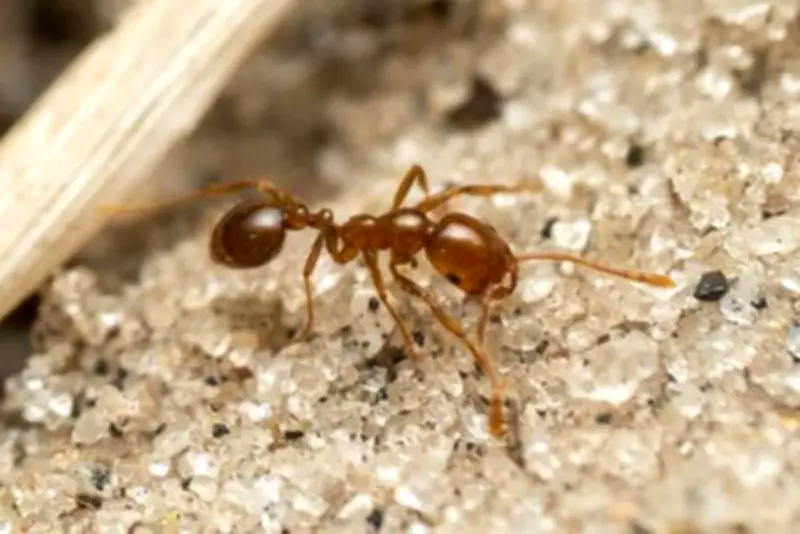
Ecologists Sound Alarm as Invasive Fire Ants Infiltrate Ancient Australian Rainforest
A fire ant nest has been detected and subsequently destroyed within the boundaries of Lamington National Park, an iconic World Heritage-listed rainforest located on Queensland's Gold Coast. This discovery has triggered significant concern among conservationists and researchers regarding the profound ecological threat posed by one of the planet's most destructive invasive species.
Immediate Threat to a Prehistoric Ecosystem
The Invasive Species Council confirmed the finding in an official statement, highlighting the grave implications for the region's unique biodiversity. Reece Pianta, the council's director, emphasised the severity of the situation, stating, "Fire ants are one of the worst invasive threats to Australia's wildlife. A failure to eradicate them in south-east Queensland will result in their spread across the vast majority of the continent."
Lamington National Park is celebrated globally for its ancient ecological history, tracing its origins back to the prehistoric supercontinent Gondwanaland. "To find a nest inside one of the world's most ancient and beautiful rainforests is alarming. These places should be beyond the reach of invasive species," Mr Pianta added, underscoring the vulnerability of even the most protected environments.

Economic and Ecological Consequences Projected
Researchers warn that if fire ants become established across Australia, the annual economic impact could reach a staggering $2 billion. This figure encompasses devastating effects on wildlife, potential reductions in agricultural output by up to 40 percent, and the likelihood of over one hundred thousand additional medical appointments each year due to stings and related health issues.
The species, Solenopsis invicta, native to South America, was first identified in Australia in 2001, believed to have arrived via freight from the United States. Their remarkable adaptability and survival strategies are key to their invasive success. Observations indicate fire ants can form floating rafts during floods, hitch rides in transported soil or freight, and spread through queen ant flights covering approximately 5 kilometres annually, extending up to 30 kilometres under optimal conditions.
Funding and Response Critical to Containment
A 2021 government study estimated that an annual investment of up to $300 million over the next decade is essential to curb the fire ant invasion. Without this sustained effort, the continent faces a perpetual annual cost of at least $2 billion. The recent detection in Lamington National Park was managed through a rapid response programme, which Mr Pianta credited for preventing further spread. "The programme's rapid response meant the nest was found and destroyed before it could spread... The park is protected because the system responded fast," he noted.
However, he issued a stark warning against bureaucratic delays in funding the next phase of eradication efforts. "Bureaucratic funding delays to the next phase of fire ant eradication cannot be allowed to impair the program's ability to respond quickly, or we will see more national treasures like this impacted," Mr Pianta asserted, highlighting the urgent need for consistent financial support to safeguard Australia's ecological and economic interests from this pervasive threat.