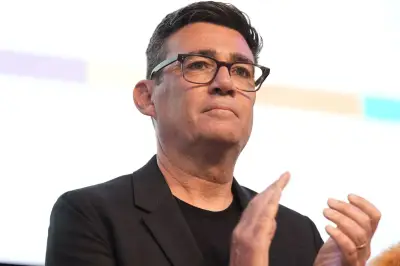
Andy Burnham, the incoming prime minister, faces a critical opening phase as he steps into Downing Street. His handling of the first few weeks will shape public perception, especially among voters outside Greater Manchester who still see him as a relatively unknown quantity. The overture, as Jonathan Freedland writes, will decide the verdict on the show.
First Impressions and the Honeymoon Period
Burnham inherits a nation weary after seven prime ministers in 10 years, and there is a recognition that he needs to succeed. This translates into goodwill that must not be squandered. He must nurture hope, staying true to his defining mission: “To bring back hope,” as he stated in a speech formally assuming the Labour leadership. Unlike Keir Starmer, who ruined his honeymoon by promising things would only get worse, Burnham should leave sober warnings to his chancellor and focus on persuading people the future can be brighter.
Avoiding Snap Election Speculation
Burnham must avoid talk of an early election, learning from Gordon Brown’s costly mistake. Such speculation develops its own momentum, forcing a decision. The only time to discuss an election date is about an hour before announcing it.

Personnel and Policy Direction
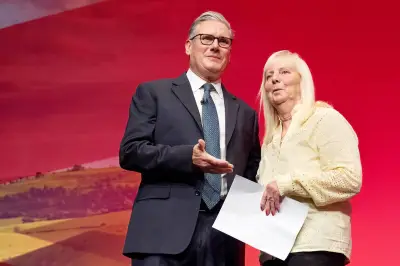
Burnham has yet to decide on his cabinet and Downing Street staff, a crucial choice echoing Ronald Reagan’s maxim that “personnel is policy.” The right appointments will determine competence and ideological direction. Starmer’s early chief of staff, Sue Gray, lasted only three months, replaced by Morgan McSweeney, signaling uncertainty. Burnham must ensure his team gets policy right first time, avoiding the U-turns that exhausted public patience under Starmer and Rachel Reeves.
A Clear Plan of Action
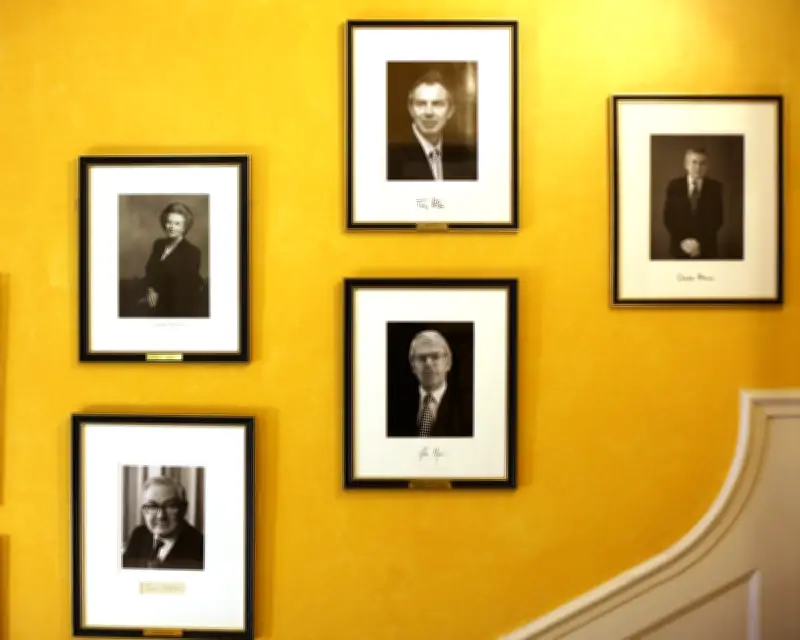
Burnham declared, “I know what I believe … I know what I want to do … I have a plan.” This is essential for two reasons. First, it prevents derailment by unexpected crises. Burnham is more focused on domestic affairs—his speech did not mention foreign policy or Europe—but the world will intrude, as 9/11 and Iraq did for Tony Blair. A clear to-do list helps a government stay on track. Second, a clear direction lets ministers and civil servants know what is expected. Margaret Thatcher is the model: even junior officials knew to choose less state, more market. Burnham’s aim is the opposite: devolved political power and a more active economic state, unafraid of public ownership.
Political Strategy: Winning Back Voters
Starmer alienated many in his party with a strategy targeting “hero” voters in red wall seats who had voted leave and later backed Reform UK. But this rested on a fallacy, exposed in May’s elections: Labour lost seats not to Reform directly, but because its voters defected to Greens, nationalists or Lib Dems, fragmenting the anti-Reform vote. Professor Rob Ford notes that at the Makerfield byelection, Labour’s vote growth mirrored the decline in combined Green and Lib Dem votes. Burnham’s success there came from uniting the anti-Farage camp, not winning back Farage-curious voters. Polling shows Labour voters who moved to Greens or Lib Dems are more open to returning than Reform defectors. A strategy focused on Reform voters, Ford says, targets “a mythical species.”
Broad Appeal Over Culture Wars
Burnham hinted at a programme of broad appeal, saying he won’t try to “out-Green the Greens or out-Reform Reform” but will be “distinctively Labour.” This means concentrating on issues like public services and the cost of living that trouble everyone, rather than questions that divide. The job is perilously difficult, having felled many before him. Burnham says he is ready; for the country’s sake, we must hope he is right.