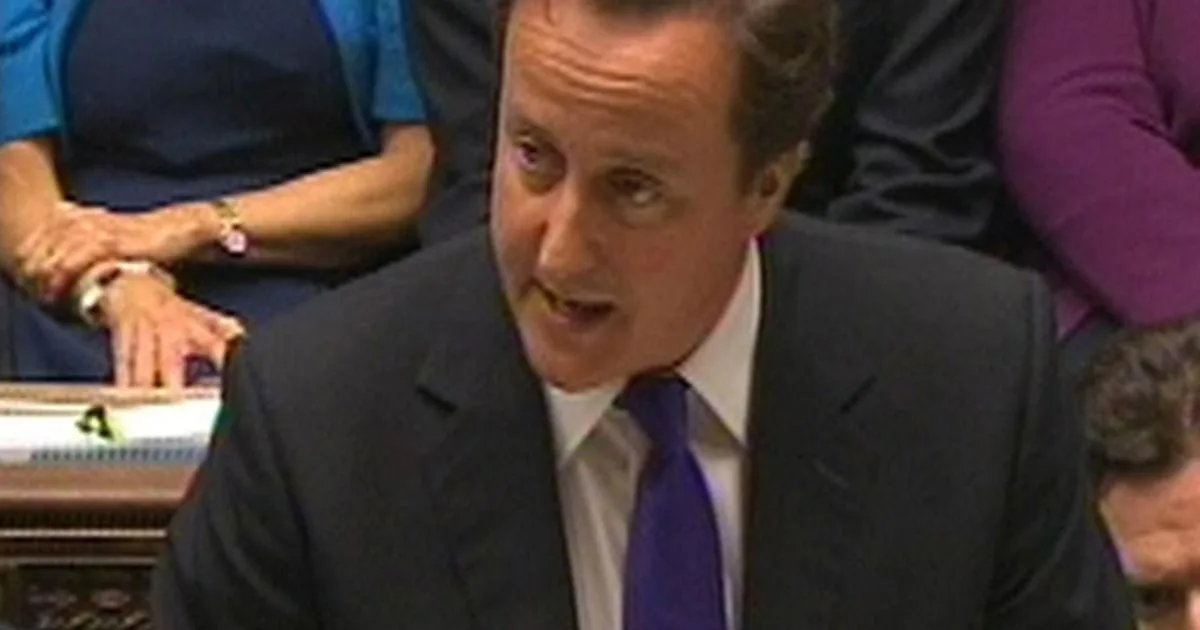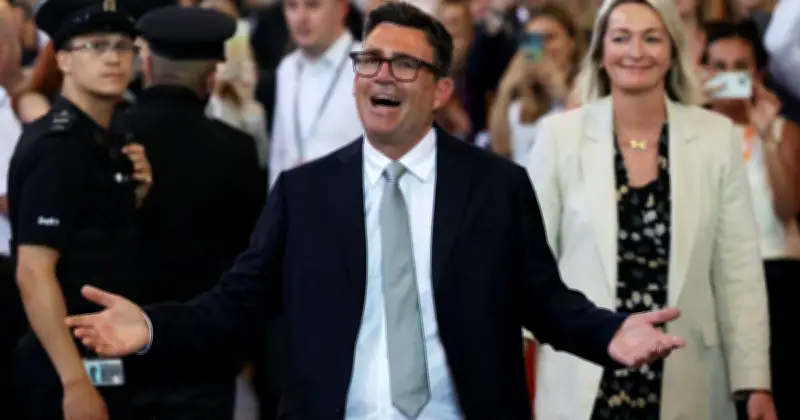
Andy Burnham is the red-hot favourite to become the next Labour leader and UK Prime Minister after Sir Keir Starmer's resignation on June 22, 2026. The former Greater Manchester mayor returned to Westminster with 54.8% of the vote in the Makerfield by-election, triggering Starmer's exit. Now, allies are jostling for influence as Burnham prepares to reshape Labour's top table with his “Manchesterism” agenda of radical devolution, public ownership, and interventionist economics.
Heavyweights: Reeves and Rayner
Chancellor Rachel Reeves faces an uncertain future. Burnham's past warnings that the UK is “in hock to the bond markets” have spooked investors, raising questions about her continuity at No. 11. A sideways move to Foreign Secretary is widely floated as a face-saving option. Reeves introduced Burnham during his 2015 leadership bid, providing personal history that could ease a prestigious shift while removing her from domestic economic policy.
Angela Rayner occupies a stronger position. As a popular deputy leader with a strong membership base and influential allies including Lucy Powell, Rayner is expected to retain a top-tier role. Burnham's devolution focus aligns with her left-leaning instincts, and her camp's quiet support during his Makerfield campaign strengthens her indispensability in his inner circle.

Likely Rewards for Allies
Burnham is expected to elevate soft-left allies and key Makerfield orchestrators. Ed Miliband emerges as the frontrunner for Chancellor. The Energy Secretary has championed Burnham within the Parliamentary Labour Party and shares his appetite for radical intervention, wealth taxes, and public control of utilities. One Burnham backer urged: “Learn to love Ed Miliband,” though potential clashes loom over North Sea oil and gas.
Louise Haigh, Burnham's influential organiser and sounding board during the by-election, is tipped for a major promotion—potentially Chief Secretary to the Treasury or a delivery-focused economic brief. Anneliese Midgley, the Knowsley MP who served as political lead for the campaign, is locked in for a significant government post. Josh Simons, the self-effacing former Makerfield MP who stood down to facilitate Burnham's return, is expected to enter Downing Street as a key policy architect. Burnham's long-serving Chief of Staff, Kevin Lee, and other personal aides are also poised for influential roles.
Who May Be Sidelines
Ideological and personal mismatches point to demotions or exclusion for some. Wes Streeting's Blairite brand and support for private-sector involvement in public services clash with Burnham's public-ownership priorities. Though floated for Chancellor to reassure markets and despite his endorsement of Burnham, Streeting is seen more as a rival than a natural ally.
Hardcore Starmer loyalists, including strict centrist enforcers, face being swept aside. Figures like Nick Thomas-Symonds may linger temporarily for European trade stability, but Burnham's team will prioritise clearing space for loyalists. Other Starmer-era ministers could see reduced influence as Burnham installs a team aligned with his northern, interventionist vision.
The Road Ahead
Burnham's leadership bid, backed by key figures and bolstered by his by-election momentum, points toward a swift transition. His Cabinet will balance reward for allies, pragmatic continuity in sensitive briefs like defence and trade, and a clear break from Starmer-era caution. With nominations opening soon, the “King of the North” stands ready to test whether his Manchester model can translate to national governance—rewarding the faithful, sidelining rivals, and navigating heavyweights like Reeves and Rayner along the way.