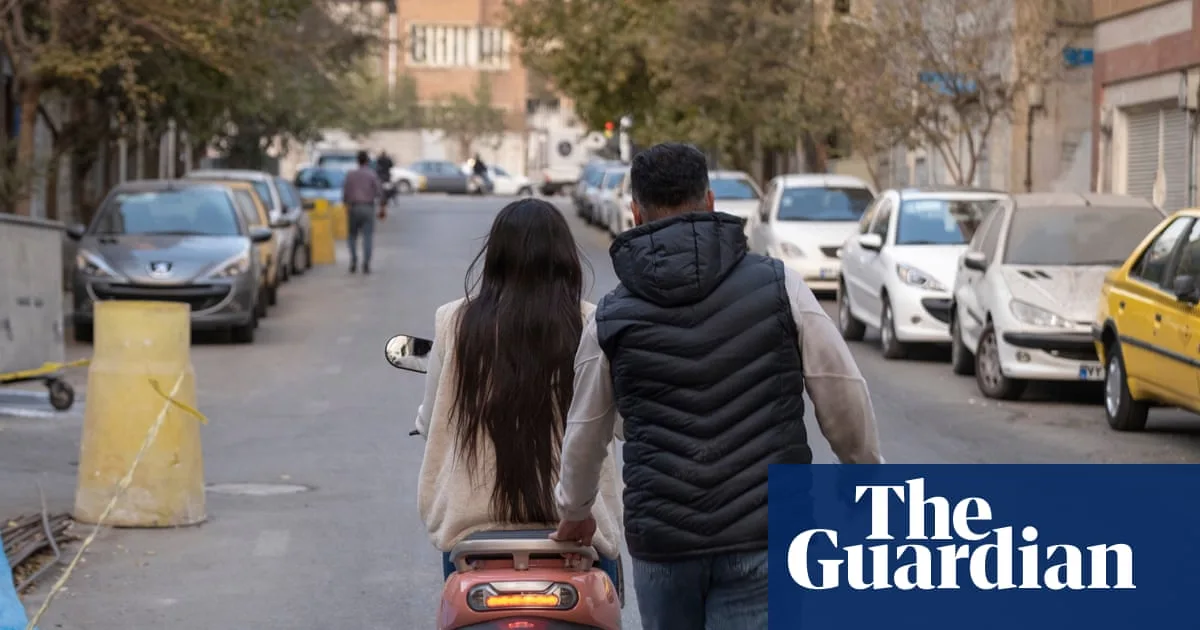
Iranian Women Defy Hijab Laws in Growing Tehran Protests
Women Defy Hijab Laws in Tehran Protests

In the bustling streets of Tehran, a quiet revolution is unfolding as women increasingly remove their headscarves in open defiance of Iran's strict hijab laws. This courageous movement represents one of the most significant challenges to the country's conservative establishment in recent years.

The Spark That Ignited a Movement

The death of Mahsa Amini in September 2022 proved to be a watershed moment for women's rights in Iran. The 22-year-old Kurdish woman died in police custody after being arrested by the morality police for allegedly wearing her hijab improperly. Her tragic death sparked nationwide protests that continue to resonate through Iranian society today.

What began as outrage over a single incident has evolved into a sustained movement of civil disobedience. Women of all ages, from teenagers to grandmothers, are now taking the bold step of walking in public without head coverings. This act of defiance carries serious risks in a country where violating hijab laws can result in arrest, fines, or even imprisonment.

Daily Acts of Courage in Tehran

The protests have taken on a distinctly personal character, with women integrating their defiance into everyday life. Rather than organized demonstrations, these are individual acts of courage occurring in markets, on public transportation, and in city squares. The sheer number of women participating has made it increasingly difficult for authorities to respond effectively.

Many women report feeling a profound sense of liberation when they first remove their headscarves in public. The psychological barrier of fear, carefully cultivated over decades of strict enforcement, is gradually crumbling. This shift represents not just a fashion statement but a fundamental rejection of the state's control over women's bodies and choices.

Recent months have seen a notable escalation in both the frequency of these acts and the government's response. Security forces have intensified patrols in areas known for hijab violations, and there are reports of undercover morality police operating in civilian clothing to catch offenders unaware.

Government Crackdown and International Response

The Iranian government has responded to the growing movement with a mixture of intensified enforcement and new legislative measures. In 2023, authorities implemented the "Nour Plan," a comprehensive hijab enforcement program that includes increased surveillance and harsher penalties for violations.

Business establishments have found themselves caught in the middle of this cultural battle. Shop owners, restaurant managers, and other business operators now face penalties if they serve women not wearing proper hijab. This has created economic pressure points that the government hopes will force compliance through social and commercial networks.

International human rights organizations have documented numerous cases of women facing severe consequences for their participation in the protest movement. Despite the risks, the movement continues to grow, suggesting that for many Iranian women, the desire for bodily autonomy outweighs the fear of punishment.

The persistence of these protests highlights a fundamental shift in Iranian society. Women are no longer willing to accept state-mandated dress codes without question, and their daily acts of defiance represent a powerful challenge to the established order. As one participant noted, "They can arrest us, but they cannot force us to be silent about our rights."




