Trans Kansans Face Chaos and Fear as New ID Law Invalidates Documents
With minimal warning and no grace period, Kansas Republicans have invalidated an estimated 1,800 transgender people's identity documents, plunging the community into confusion, panic, and grief. The new law, passed by the state's Republican supermajority over a veto by Democratic Governor Laura Kelly, took effect on February 26, 2026, leaving many trans residents scrambling to comply.
Confusion and Chaos at Government Offices
When Iridescent Roney arrived at the Kansas Office of Vital Statistics to surrender her birth certificate on February 26, staff were as bewildered as she was. Roney, a 29-year-old college career adviser from Lawrence, Kansas, is among roughly 1,700 trans individuals whose Kansas-issued driver's licenses and birth certificates were revoked by Senate Bill 244. The law invalidates any document that does not reflect the gender assigned at birth.
"The folks at Vital Statistics were terribly kind, and I appreciate them for that," Roney told The Independent. "However, they didn't know what to do. There was no plan of action for what was going to happen." The rollout has been marked by disarray, with many trans Kansans receiving notification letters only a day before the deadline or not at all, according to independent trans rights journalist Erin Reed.

Immediate Consequences and Legal Challenges
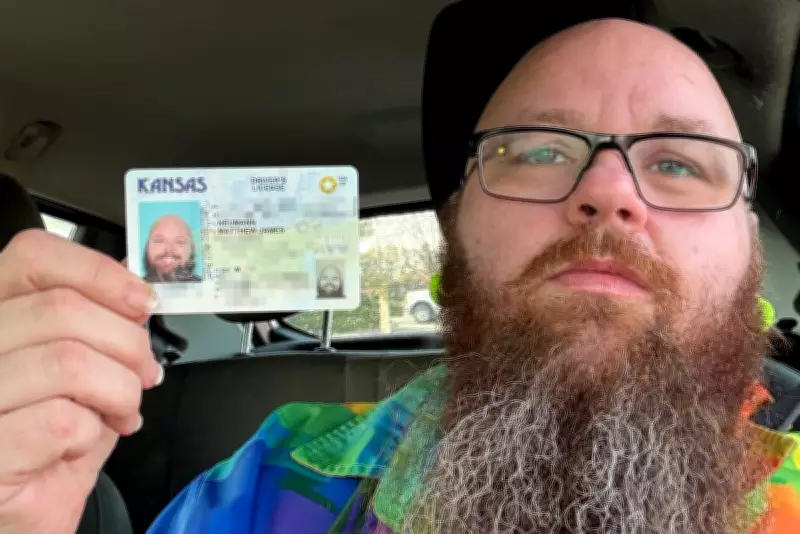
The ID provisions have had swift and severe impacts. Trans people driving with invalidated licenses face fines, arrest, or even jail for repeat offenses, per activists and state officials. Matthew Neumann, founder of the LGBTQ Foundation of Kansas, noted that many were left stranded, unable to drive to work or to the DMV to obtain new documents in a state with minimal public transport.
On Tuesday, March 10, 2026, a Kansas court declined to block the law in response to an ACLU-backed legal challenge, though the case continues and could still overturn S.B. 244. "Right now everything still seems to be up in the air on how it's going to affect people. The biggest effect it's had is the fear," Neumann said. "Which I think is something that the state wanted."
Personal Stories of Struggle and Defiance
Roney, who lives in Kansas City, Missouri, but works in Kansas, spent an entire day navigating bureaucratic hurdles to replace her documents. She now holds a Missouri driver's license listing her as female and a Kansas birth certificate branding her as male, leading her to quip, "According to the state of Missouri I'm female. According to the state of Kansas, I'm Schroedinger's gender." This mismatch could pose problems if she ever needs to use both documents together.
Matthew Neumann, who proudly changed his gender markers around 2020-21, refuses to comply. "This law is not legal, and until a judge tells me that it is legal, I'm not going to follow it," he declared. His foundation is covering expenses for document replacement and organizing rides for those affected.
Broader Implications and Political Context
Senate Bill 244 is part of a wider GOP campaign against trans rights, including efforts to restrict healthcare, bathroom access, and military service. The law also allows Kansans to sue trans individuals for using the "wrong" bathroom. Advocates like Senate President Ty Masterson defend it as restoring "biological reality and common sense," while opponents decry it as discriminatory.
The law's spotty enforcement has added to the uncertainty. Some trans people have received new licenses with their preferred gender markers despite the law, while others find their old licenses still listed as valid online. This inconsistency exacerbates fears of discrimination and violence, with 22% of respondents in the 2022 U.S. Transgender Survey reporting harassment or denial of services after showing mismatched ID.
Emotional Toll and Future Concerns
For many trans Kansans, the law has deepened feelings of isolation and vulnerability. Jayme Johnson, a 40-year-old academic, avoided changing her documents for fear of government targeting, and now feels "really alone and isolated." Claven Snow, a 47-year-old trans father, worries the law is a "harbinger of more sinister things," potentially threatening his parental rights.

As the legal battle unfolds, trans residents face ongoing disruption, with costs for document replacement and lost wages adding to their burdens. The lack of notification and grace period has left the community grappling with a law that challenges their identity and safety in Kansas.