
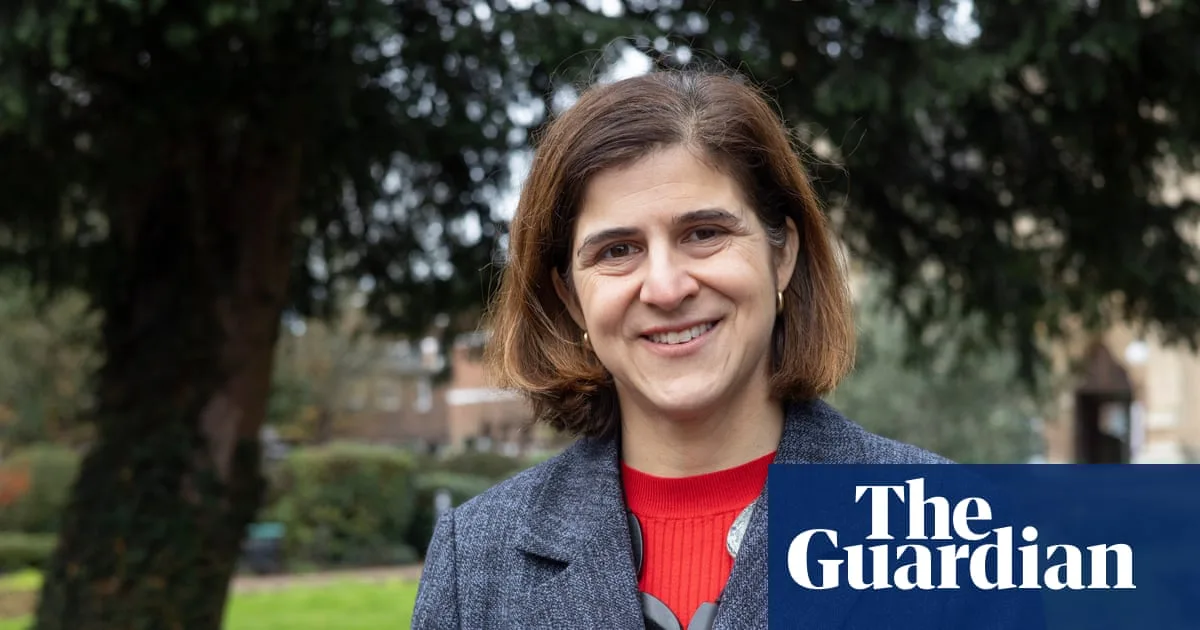
The Ministry of Justice is set to remove the right to trial by jury for thousands of cases in England and Wales, in a major overhaul aimed at tackling a backlog of nearly 80,000 cases. Courts minister Sarah Sackman said the change is necessary to stop criminals from 'gaming the system' by opting for jury trials to delay proceedings, sometimes by years.
Sackman described drug dealers and career criminals as 'laughing in the dock' knowing cases can take years to come to trial. She warned that inaction would lead to 'chaos and ruin'. The government plans to legislate by the next election, creating a new judge-only division of the crown court to hear certain cases.
The move follows recommendations from a review by Sir Brian Leveson. Sackman said victims of severe sexual assault are routinely told it could take four years for their cases to come to court. She cited a case at Wood Green crown court involving severe sexual assault that is unlikely to reach trial until 2028, with some offences dating back to 2020.
The Criminal Bar Association has opposed the changes, with 90% of its members against ending jury trials, warning it would undermine a fundamental principle of British justice. However, Sackman argued that 'justice delayed is justice denied', noting that victims have lost jobs and suffered mental breakdowns while waiting.
Under the proposals, all but the most serious theft cases and complex fraud cases would be heard by judges or magistrates. Currently, defendants can choose where their case is heard in 40% of cases, and the proportion opting for jury trial has more than doubled from 8% in 2014 to over 16% in 2022.




