In a major overhaul of the justice system, the Justice Secretary has confirmed plans to scrap jury trials for a range of less serious offences in England and Wales. The move is a direct response to a record-breaking crown court backlog, which now stands at more than 78,000 cases, with some trials scheduled as far ahead as 2030.
Reforms Target "Either-Way" Offences and Defendant Choice
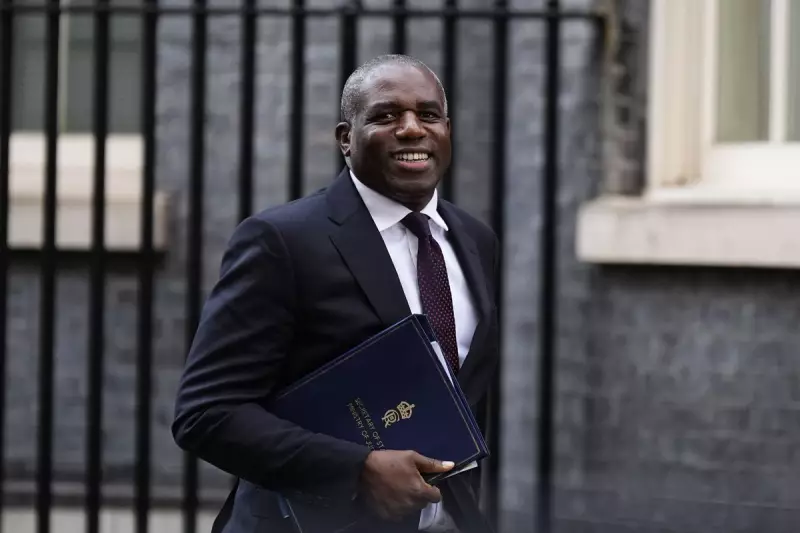
David Lammy, who also serves as Deputy Prime Minister, told MPs that reforms were "desperately needed" to address the "agonising delays" faced by victims. Under the new plans, the right to a jury trial will be reserved for the most serious "indictable-only" offences like murder and rape, and for "either-way" offences where the likely prison sentence exceeds three years.
Currently, defendants facing either-way offences can choose to have their case heard before a jury in the crown court. This right of election will be removed, with judges and magistrates deciding where a case is heard. Lammy argued this change would prevent defendants from "gaming the system" by choosing the court they believe offers the best chance of success and prolonging the process.

For offences likely to result in a sentence of three years or less—such as burglary, threats to kill, or owning a dangerous dog—trials will be heard by a single judge in a newly created Crown Court Bench Division (CCBD), without a jury.
Opposition from Legal Bodies and MPs
The proposals have immediately faced significant criticism from legal professionals and MPs, who raised concerns over fairness and a lack of evidence that the changes will reduce delays. The Law Society of England and Wales warned the plans "go too far in eroding our fundamental right to be judged by a jury of our own peers."
Brett Dixon, Vice-president of the Law Society, stated: "Allowing a single judge, operating in an under resourced system, to decide guilt in a serious and potentially life changing case is a dramatic departure from our shared values."
The Criminal Bar Association emphasised that "juries have not caused the backlog" and expressed concern over the "lack of detail" in Lammy's announcement. Its chairwoman, Riel Karmy-Jones KC, noted that the measures would require significant investment and time before any impact might be seen.
Increased Powers and the Path Forward
Alongside the jury trial changes, magistrates will see their sentencing powers increased. They will soon be able to hand down prison sentences of up to 18 months, rising from the current 12-month limit, with a potential further increase to 24 months. This is intended to allow magistrates' courts to deal with a greater volume of either-way cases.
According to Ministry of Justice modelling, around 75% of cases sent to crown court for trial would still be heard by a jury after the reforms. Of the 3% of cases that currently go to jury trial, the government expects 1% to shift to magistrates' courts, 0.5% to the new judge-only CCBD, and 1.5% to remain as jury trials.
The reforms follow recommendations made in July by Sir Brian Leveson in his review of the courts system. He found no constitutional right to a jury trial and said reform was "merited" to improve efficiency. The government will also introduce judge-only trials for complex fraud cases.
Lammy acknowledged the scale of the challenge, stating the backlog "will take years to fix" and that the proposed legislative changes will need time to implement. He is also expected to seek an increase in the number of court sitting days, which are already at a record high.