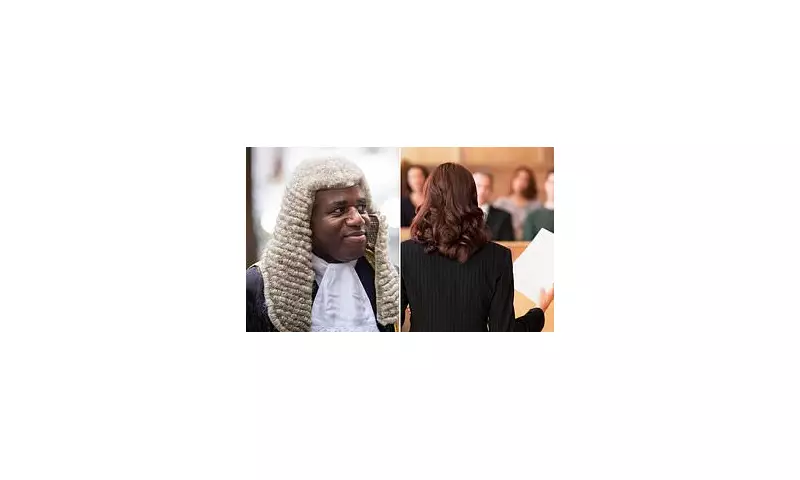
The Case That Proved a Jury's Worth
A young man smiled with relief as he walked free from the dock, embracing his emotional parents outside the crown court. Meanwhile, we twelve jury members who had just acquitted him in his rape trial returned to our ordinary lives, never to meet again. We had exposed critical flaws in a case that could have destroyed an innocent man's life.
A System Under Threat
This memory returned with force last week when Justice Secretary David Lammy proposed restricting jury trials to only the most serious cases like murder, manslaughter and some sexual offences. The government claims this radical move would help address unprecedented court backlogs that leave victims and accused people in limbo for years.
The political backlash was immediate and cross-party. Former Labour leader Jeremy Corbyn declared trial by peers a fundamental right that must not be undermined, while Shadow Justice Secretary Robert Jenrick accused Labour of having a 'lawyers-know-best' attitude toward ordinary people.

The Flawed Case That Nearly Convicted an Innocent Man
Nearly a decade ago, our jury heard a case involving a young black Briton of Caribbean heritage accused of rape by a woman from his same London community. The prosecution claimed 'Cherie' had been made helpless by five vodka and Cokes at a nightclub before the accused man took her home and had sex without her consent.
Our diverse jury - including a City worker, a council chief, retired people and unemployed individuals - noticed inconsistencies from the start. The CPS presented a nightclub photo claiming it showed Cherie near collapse, yet we saw a woman happily dancing. We submitted unusual questions to the judge, requesting the original recording of Cherie's police interview about her alcohol consumption.
When played in court, the recording revealed Cherie had told police she consumed only two drinks, not five. Paramedics confirmed her blood-alcohol levels were so low she could have danced all night without falling. The police had exaggerated evidence to secure a conviction amid scrutiny over falling rape prosecution rates.
Today, conviction rates remain concerningly low - of 2,283 people prosecuted for rape in England last year, only 1,220 were found guilty. David Lammy's own 2017 review acknowledged that juries represent the only part of the justice system consistently free from racial bias.
When we delivered our unanimous not-guilty verdict, two police officers handling the case sat with their heads in their hands. A watching lawyer later remarked that without our jury's probing questions and a judge willing to answer them, the truth might never have emerged. The question remains: would a single judge, overseeing dozens of cases annually, have spotted the over-egged police evidence?
This case demonstrates why the centuries-old jury system, despite its faults, remains essential to British justice. As plans to dismantle it gather pace, we must consider whether efficiency should ever trump the fundamental right to be judged by our peers.