
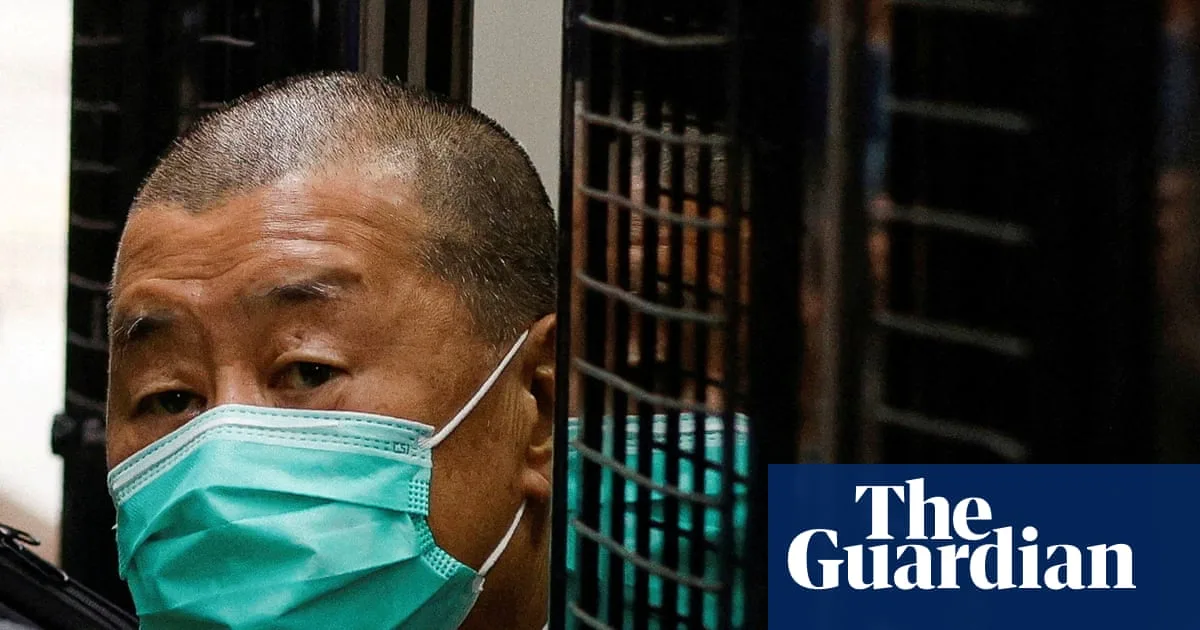
Jimmy Lai, the 78-year-old pro-democracy activist and British citizen, has decided not to appeal his conviction for national security offences in Hong Kong, according to a member of his legal team. The decision ends a years-long legal saga and opens the door for political negotiations over his release.
Lai was sentenced to 20 years in prison in February after being convicted in December on charges of sedition and conspiracy to collude with foreign forces. He had pleaded not guilty to all charges. The sentence is the harshest given for national security offences in Hong Kong, though it spared him a life sentence. His family has said it could mean 'he will die a martyr behind bars'.
Western governments, including the UK, have described Lai's prosecution as politically motivated and called for his release. The UN rights chief, Volker Türk, said the verdict was incompatible with international law. UK Prime Minister Keir Starmer raised Lai's case with Chinese leader Xi Jinping during a recent meeting in Beijing, but Lai's son Sebastien said the UK did not do enough to secure his father's release.
Lai's lawyers did not elaborate on why he is not appealing. The decision concludes the legal process and could mark the start of political efforts to secure his release. However, unlike previous cases where Western governments secured the release of citizens held by China, Lai is an outspoken critic of the Chinese Communist Party, which treats dissidents harshly.
Separately, a Hong Kong appellate court recently overturned fraud convictions against Lai, for which he had already served time. Supporters have described the numerous legal cases against the former media mogul as 'lawfare' – the use of the legal system to silence critics. US President Donald Trump, who is expected to visit China in late March, has previously asked Xi to 'consider' releasing Lai.




