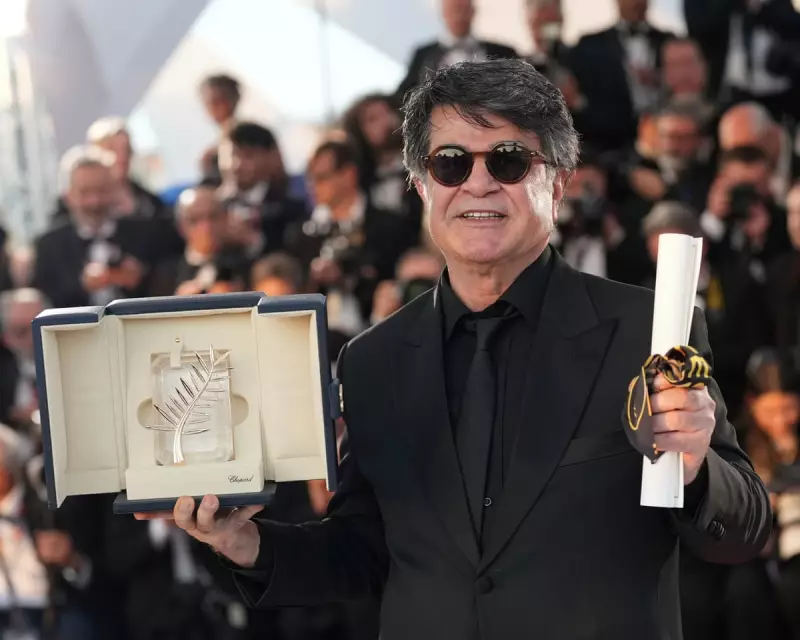
Acclaimed Iranian film director Jafar Panahi has been handed a new prison sentence by authorities in Tehran, marking a significant escalation in the long-running persecution of the internationally celebrated artist.
A New Sentence for a Defiant Artist
According to reports confirmed on Monday, 1 December 2025, an Iranian court has sentenced Panahi to a term of imprisonment. The specific charges relate to accusations of spreading propaganda against the Islamic Republic, a common charge used against dissenting voices. This development follows a period of intense scrutiny and pressure on the director, who has been a vocal critic of government policies and a symbol of artistic resistance for years.
Panahi, aged 64, is a globally recognised figure in cinema, having won prestigious awards including the Golden Bear at the Berlin International Film Festival and the Cannes Caméra d'Or. His films, which often offer a stark, humanistic look at life in Iran, have been banned from screening in his home country. Despite facing a previous travel ban and a suspended prison sentence for over a decade, he has continued to work, creating films that are smuggled out of Iran to be shown on the world stage.

International Condemnation and the Fight for Creative Freedom
The news of Panahi's sentencing has triggered immediate and widespread condemnation from human rights organisations, film institutions, and governments worldwide. Advocacy groups have labelled the move as a blatant attack on freedom of expression and a continuation of the state's campaign to silence critical artists and intellectuals.
This case is seen as a pivotal moment in Iran's ongoing cultural crackdown. The sentencing sends a chilling message to the entire creative community within Iran, demonstrating the severe risks associated with producing work that authorities deem contrary to official narratives. Panahi's plight has long been a bellwether for the state of civil liberties in the country, and this latest judicial action signifies a further narrowing of the space for dissent.
Broader Implications and the Path Ahead
Panahi's legal troubles are deeply intertwined with the wider protest movement that has swept Iran in recent years. His arrest in July 2022, when he attended a prosecutor's office to inquire about the detention of fellow filmmakers, occurred amidst a period of significant social unrest. His subsequent hunger strike and temporary release on bail highlighted the intense personal cost of his principled stand.
The decision to now enforce a prison term raises serious concerns about his welfare and the potential for further punitive measures. International film bodies and diplomatic channels are expected to increase pressure on Iranian officials, calling for the sentence to be overturned and for Panahi's unconditional release. His story remains a powerful testament to the conflict between authoritarian control and the irrepressible urge for artistic and personal freedom.
As the situation develops, the global cultural community watches closely, advocating for a resolution that ensures the safety and liberty of one of cinema's most courageous voices.