
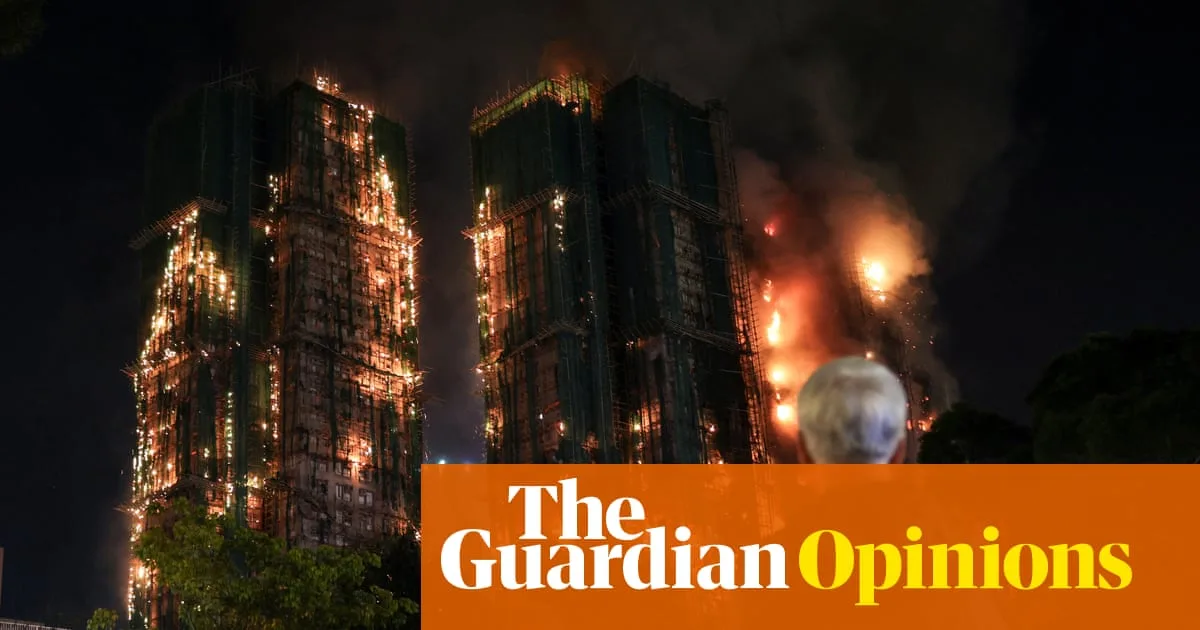
The Tai Po fire disaster, which has killed at least 159 people with 31 still unaccounted for, has drawn public expressions of grief in Hong Kong, including white flowers, paper cranes and donated goods. Yet beneath this surface, observers note that the city's civil society has been fundamentally altered since the 2019 pro-democracy protests and the subsequent national security crackdown.
Traditional grassroots responses to such tragedies are no longer possible, according to Antony Dapiran, author of two books on Hong Kong politics and protest. Pro-democracy legislators who might have grilled officials have been jailed or barred from office, leaving only Beijing-approved candidates. Independent media outlets such as Apple Daily and Stand News have been forced to close, with editors charged with sedition, removing avenues for investigative accountability.
Civil society groups like the Progressive Lawyers Group, which would have offered legal aid and objective analysis, have disbanded or been shut down. The creative community has also been cowed, with artists facing censorship, cancelled exhibitions and restrictions on depicting sensitive topics, including the 2019 protests themselves. A work akin to Steve McQueen's Grenfell film would be impossible in today's Hong Kong, Dapiran argues.
Attention has also turned to the role of bamboo scaffolding in the fire, with initial reports suggesting it contributed to the blaze. Subsequent investigations have focused on flammable netting and Styrofoam boards used during renovations. Some fear the tragedy may be used to phase out bamboo scaffolding in favour of mainland-made steel, a move that carries deep cultural and political significance, as bamboo is regarded as part of Hong Kong's unique heritage.
The disaster may still become a focal point for anti-government sentiment, particularly if corruption or regulatory failures are found to be factors. Yet the broader context of a suppressed civil society means that public mourning and demands for accountability are likely to remain constrained.




