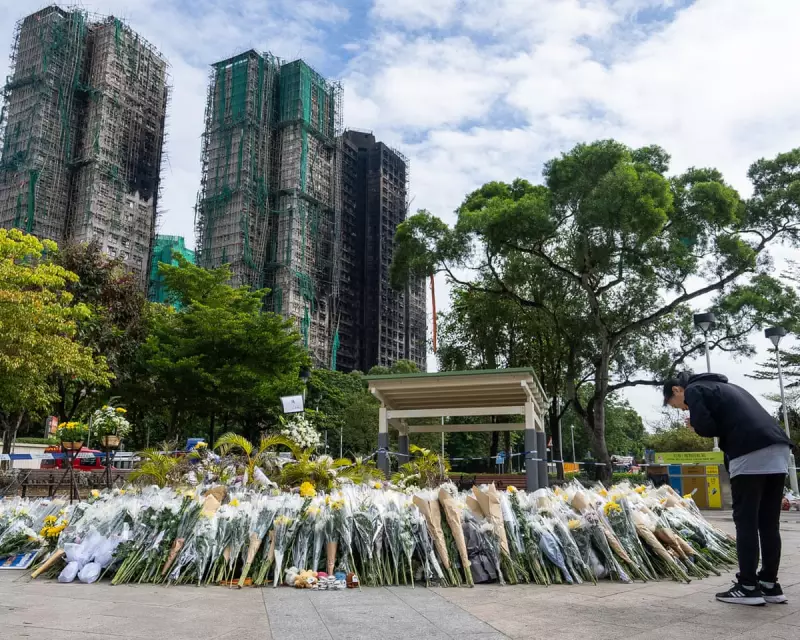
Hong Kong authorities have detained 13 individuals on suspicion of manslaughter following the city's deadliest fire in 75 years, which has claimed at least 151 lives. The devastating blaze tore through the Wang Fuk Court estate in the Tai Po district last week, with the death toll expected to climb further as emergency services continue searching the seven affected towers.
Safety Failures and a "Shameful Act"
Investigations into the catastrophe have revealed serious alleged safety failures linked to extensive renovations at the housing estate, home to nearly 5,000 people. Hong Kong's Chief Secretary, Eric Chan, disclosed that seven out of twenty tested samples of the mesh netting used in scaffolding around the towers failed to meet fire-retardant standards.
Chan condemned the actions of those responsible, stating they had installed cheaper, non-compliant netting in hard-to-access areas to evade detection, calling it a "shameful act." He accused them of prioritising profit over human life. Anger among residents has intensified due to revelations that the construction company had allegedly violated safety rules before, with complaints about the renovation work reportedly being lodged for a year.

Civilian Arrests Under Security Laws Spark Outcry
While company directors and an engineering consultant were among those arrested, the government also faces growing criticism for the detention of at least two civilians under national security legislation. These arrests are linked to calls for accountability in the wake of the disaster.
One of those detained was Miles Kwan, a student arrested on Saturday in connection with an online petition. The petition outlined "four demands" for victim support and accountability, including for any corrupt or culpable officials. Local media reported his arrest was for "seditious intention."
A former district councillor, Kenneth Cheung, was also reportedly arrested on Sunday evening. When questioned about these detentions, Security Secretary Chris Tang cited "inaccurate comments online" intended to threaten national security, stating operational details could not be disclosed.
Community Response and Political Sensitivity
The tragedy has unfolded amid a highly sensitive political climate. National security authorities had previously warned against using the incident to incite "anti-China" sentiment. The community's initial grassroots response, which saw hundreds of volunteers deliver essential supplies to victims, was soon overseen by government officials, with armed police patrolling the area.
On social media, many in Hong Kong have criticised the focus on civilian arrests. "National security must be prioritised even if the dead are still buried in the building," one comment read. Others drew parallels with mainland China's approach to dissent, suggesting the strategy aims to stifle questions about governance.
As the search for the missing continues and tributes mount at the site, the disaster has ignited a fierce debate over building safety, corporate accountability, and the boundaries of political expression in Hong Kong.